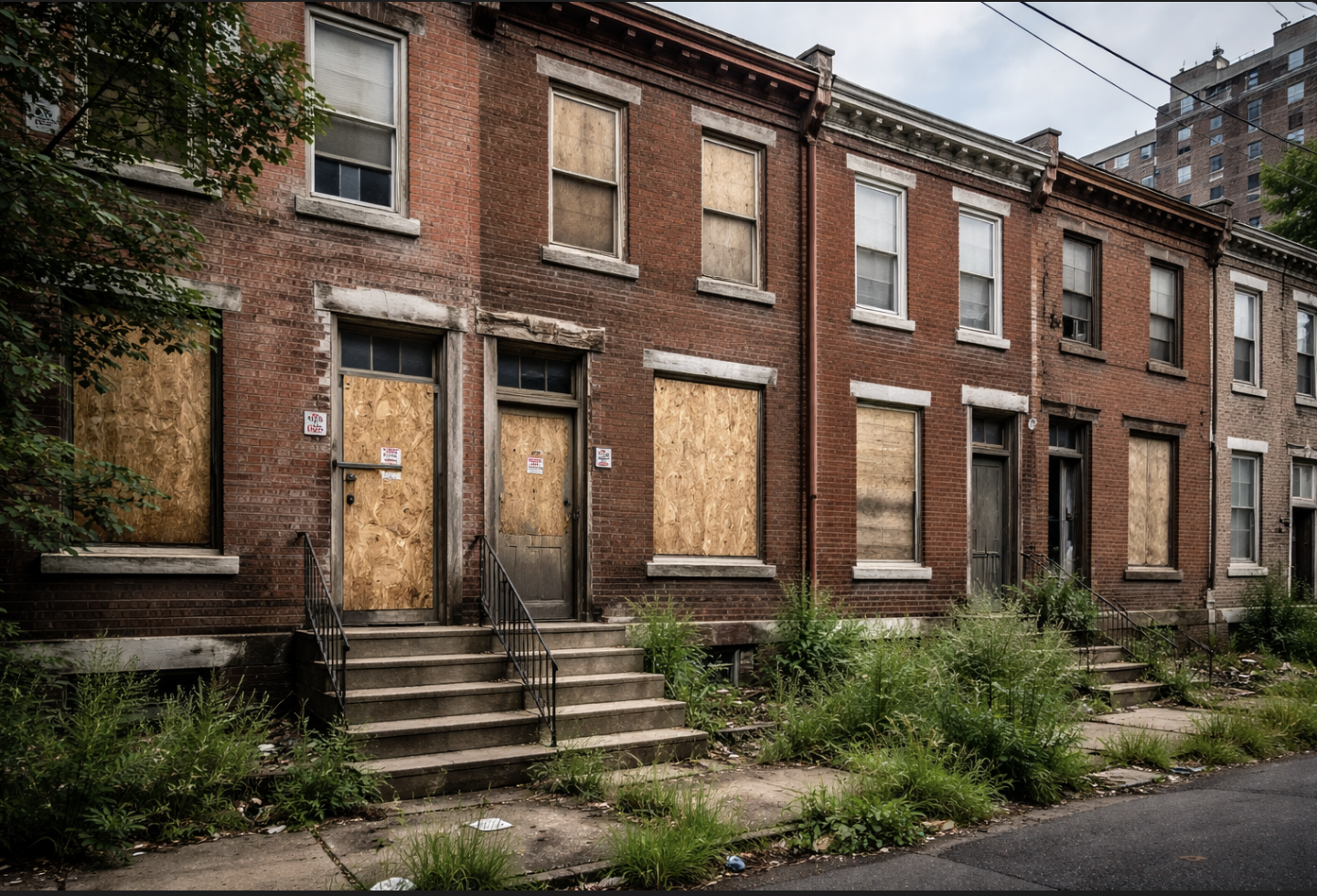
Owning a vacant or abandoned property in Philadelphia can quickly become stressful, expensive, and legally complicated. Whether the house became vacant after a tenant moved out, a relative passed away, or you relocated unexpectedly, an empty property rarely stays “neutral” for long. Between city violations, maintenance issues, break-ins, insurance risks, and property taxes, vacant homes can become a financial and emotional burden. If you’re wondering what to do with a vacant or abandoned house in Philadelphia, this guide will walk you through your options, risks, and the smartest next steps. For homeowners who prefer a simpler route, you may consider selling your house fast in Philadelphia without repairs.
Why Vacant Properties Are a Bigger Issue in Philadelphia Than Most Cities
Philadelphia has one of the highest concentrations of older rowhomes in the country. Many properties were built decades ago and require consistent upkeep. When a home sits vacant, problems accelerate quickly. Common risks include:
Code violations from Philadelphia L&I
Property maintenance citations
Squatter or break-in risks
Insurance complications
Frozen pipes and structural damage
Increased property tax delinquency
Neighborhood complaints
In some cases, vacant properties can even be added to the city’s Vacant Property Database, increasing scrutiny and potential fines. If the property is located in surrounding counties like Delaware, Montgomery, Bucks, or parts of South Jersey, similar risks apply – though enforcement policies vary.
First: Determine the Condition of the Property
Before making any decision, assess:
Is the property structurally sound?
Are there active water, roof, or foundation issues?
Are utilities on or off?
Is it secured properly?
Are there city violations?
Is it currently insured?
Vacant homes deteriorate much faster than occupied ones. Even minor roof leaks can cause thousands of dollars in damage within months. If repairs are significant, your options may change dramatically.
Option 1: Renovate and Sell on the Open Market
One option is to invest in repairs and list the property with a real estate agent. This may work well if:
The property is in strong structural condition
Renovation costs are manageable
The neighborhood supports resale value
You have time to manage contractors
You are not facing financial pressure
However, with Philadelphia rowhomes, renovation budgets can escalate quickly. Common issues include:
Electrical updates
Plumbing replacements
Brick repointing
Roof replacement
Structural joist repair
Outdated heating systems
You must also factor in:
5-6% agent commissions
Closing costs
Holding costs during renovation
Property taxes
Insurance premiums
Utility expenses
If the property needs heavy repairs, this route can be risky without accurate budgeting.
Option 2: Rent the Property
If the house is in livable condition, you may consider renting it. This can generate income – but also introduces:
Tenant management responsibilities
Potential eviction risk
Property damage concerns
Ongoing maintenance
Licensing and compliance requirements
Philadelphia requires rental licenses and lead certification compliance in many cases. If the property already become vacant due to difficult tenant issues, becoming a landlord again may not be appealing.
Option 3: Hold the Property and Wait
Some owners choose to hold onto vacant homes, hoping property values rise. However, vacant properties:
Continue accumulating taxes
Require insurance
Risk vandalism
May receive city citations
Deteriorate physically
If appreciation outpaces holding costs, this strategy can work. But if fines or repairs escalate, the property can become a liability.
Option 4: Sell the Vacant House As-Is
For many homeowners, the simplest option is selling the property as-is to a direct buyer. This option works especially well when:
The house needs repairs
The property has been vacant for months
There are code violations
The owner lives out of state
The home was inherited
There are tax or lien issues
Selling a vacant house directly means:
No repairs required
No cleaning needed
No staging or showings
No agent commissions
Flexible closing timeline
Since 2015, we’ve purchased over 400 properties throughout Philadelphia and surrounding counties – many of which were vacant or distressed. Every situation is different, but for homeowners looking to simplify the process, this can remove significant stress.
What About Abandoned Properties?
If the property appears abandoned but still has a legal owner, that owner still holds responsibility for:
Taxes
Violations
Maintenance
Safety compliance
If the home was inherited and the paperwork hasn’t been resolved, probate may be required before selling. If ownership is unclear, legal guidance may be necessary. Abandoned does not mean the property has no obligations attached to it.
Financial Risks of Keeping a Vacant Property in Philadelphia
Many owners underestimate the real cost of vacancy. Common hidden costs include:
Property tax delinquency interest
L&I violation fines
Emergency repair escalation
Insurance premium increases
Water line breaks
Structural settlement
Roof collapse from snow load
Neighbor complaints triggering inspections
In certain neighborhoods, vacant homes can also become targets for:
Copper theft
Squatters
Dumping
Vandalism
The longer a property remains empty, the greater the risk profile becomes.
How to Sell a Vacant House in Philadelphia
If selling becomes the preferred option, the process generally includes:
Confirming ownership status
Resolving any probate or title issues
Reviewing outstanding taxes or liens
Determining property condition
Choosing a sale method (agent vs direct buyer)
Coordinating closing with a title company
If you choose to sell to a direct buyer, the typical process looks like:
Share property details
Schedule a walkthrough
Receive a cash offer
Choose your closing date
Most offers are provided within 24 hours after review. See how our process works.
Can You Sell a Vacant House With Violations?
Yes – in many cases. Some buyers will purchase properties with:
Open code violations
Tax delinquencies
Structural issues
Fire damage
Water damage
Utility shutoffs
However, the pricing will reflect repair and compliance costs. Being upfront about the property’s condition helps avoid surprises.
What If You Live Out of State?
Many vacant properties in Philadelphia are owned by heirs or former residents who relocated. If you live out of state:
You can sell remotely
Title companies can handle mail-away closings
Electronic document signing is common
You do not need to be physically present
This simplifies the process significantly.
When Selling Makes the Most Sense
Selling a vacant or abandoned house often makes the most sense when:
Repairs exceed your budget
The property is deteriorating
You’re receiving city notices
The home was inherited
You no longer want landlord responsibilities
You live far away
The stress outweighs the potential upside
There is no universal right answer – but delaying decisions can increase costs.
Frequently Asked Questions About Vacant Properties
Can I sell a vacant house without cleaning it out?
Yes. Many direct buyers purchase properties as-is, including leftover belongings.
Do I need to fix violations before selling?
Not always. Some buyers handle violations after purchase.
How long can a house sit vacant in Philadelphia?
There is no fixed timeline, but city inspections and violation risks increase over time.
What if the property has back taxes?
Back taxes are typically handled during closing through the title company.
Final Thoughts: Making the Right Decision for Your Situation
Vacant and abandoned homes are common in Philadelphia – but they require active decision-making. Whether you choose to renovate, rent, hold, or sell, understanding the risks and costs upfront allows you to move forward confidently. If you’re considering selling a vacant house in Philadelphia and want to understand what your options look like, you can request a no-obligation property evaluation and review the numbers clearly before making a decision. Every situation is different – and having accurate information is the first step.
Ready to find out more?
Drop us a line today for a free quote! Click Here