

Facing financial hardship and the prospect of losing your home is one of the most stressful experiences any homeowner can go through. If you have fallen behind on your mortgage payments in Philadelphia, Pennsylvania, you might feel overwhelmed, anxious, and unsure of where to turn. The constant phone calls from mortgage servicers and official-looking legal notices in the mail can make it feel like time is running out fast.
Here is the good news: you have more options and control than you might realize. The pennsylvania foreclosure process is structured with multiple legal safeguards designed to give homeowners time to remedy the situation. Most importantly, you retain full legal ownership of your property until the very moment a Sheriff Sale is completed. That means you can sell your home, satisfy your debt, preserve your credit rating, and potentially walk away with cash in your pocket. In this guide, we will break down everything you need to know about navigating foreclosure in Philadelphia and how to successfully sell your house before it goes to auction.
Key Takeaway: You own your home until the gavel falls at the Sheriff Sale. Under Pennsylvania law, you have the legal right to cure the default or sell your house at any point before the auction takes place. Taking action early gives you the best chance to save your credit and protect your remaining equity.
Understanding the Pennsylvania Foreclosure Process
Pennsylvania is strict about protecting real property rights, which means it operates as a judicial foreclosure state. In simple terms, a mortgage lender cannot simply lock you out of your house or seize your property the moment you miss a payment. Instead, the lender must go through the civil court system to foreclose on your home.
Because every foreclosure requires formal judicial review, the timeline in Pennsylvania moves slower than in states that allow non-judicial foreclosures. While this judicial path provides you with crucial time to figure out your next move, ignoring the legal notices will only work against you. Understanding how court filings work in Philadelphia allows you to make informed, proactive choices rather than reacting out of fear.
When you understand that the foreclosure proceedings are governed by specific administrative steps, you can use those built-in waiting periods to negotiate with your lender, explore government relief programs, or sell your property on your own terms before a court-ordered auction takes place.
Key Stages of the Pennsylvania Foreclosure Timeline
Navigating the overall pennsylvania foreclosure timeline requires understanding the exact sequence of events from your first missed payment to the final auction. While every situation varies slightly depending on court schedules in Philadelphia, the primary milestones usually follow a standard pattern:
- Initial Payment Default (1 to 90 Days Late): After you miss your first or second mortgage payment, your lender will send grace-period notices, charge late fees, and attempt to contact you by phone to bring the account current.
- Act 91 Notice (Notice of Intent to Foreclose): Once you are generally 60 to 90 days delinquent, Pennsylvania law requires the lender to send an official Act 91 Notice. This document informs you of your right to seek free housing counseling and apply for emergency assistance.
- Formal Foreclosure Complaint Filed: If the default is not cured within the required timeframe after the Act 91 Notice, the lender files a formal civil lawsuit (Foreclosure Complaint) in the local Court of Common Pleas. You will be served with legal papers.
- Court Judgment: If you do not file a legal response within 20 days of receiving the complaint, the court will likely issue a Default Judgment in favor of the lender.
- Writ of Execution: Following the judgment, the lender requests a Writ of Execution, directing the county Sheriff to schedule and advertise the property for a public Sheriff Sale.
- The Sheriff Sale: The home is auctioned off to the highest bidder at the county courthouse or via an authorized online auction portal.
From the first missed payment to the actual day of the Sheriff Sale, the process typically takes anywhere from six months to over a year in Philadelphia. This gives you a realistic window of opportunity to take control of your financial future.
Get your cash offer
without anyone coming over.
Want your offer faster, or rather not talk to anyone yet? Send a few phone photos of each room. We price the repairs from them, line by line, and send your cash offer back, so you see a real number before you ever meet us or pick up the phone.
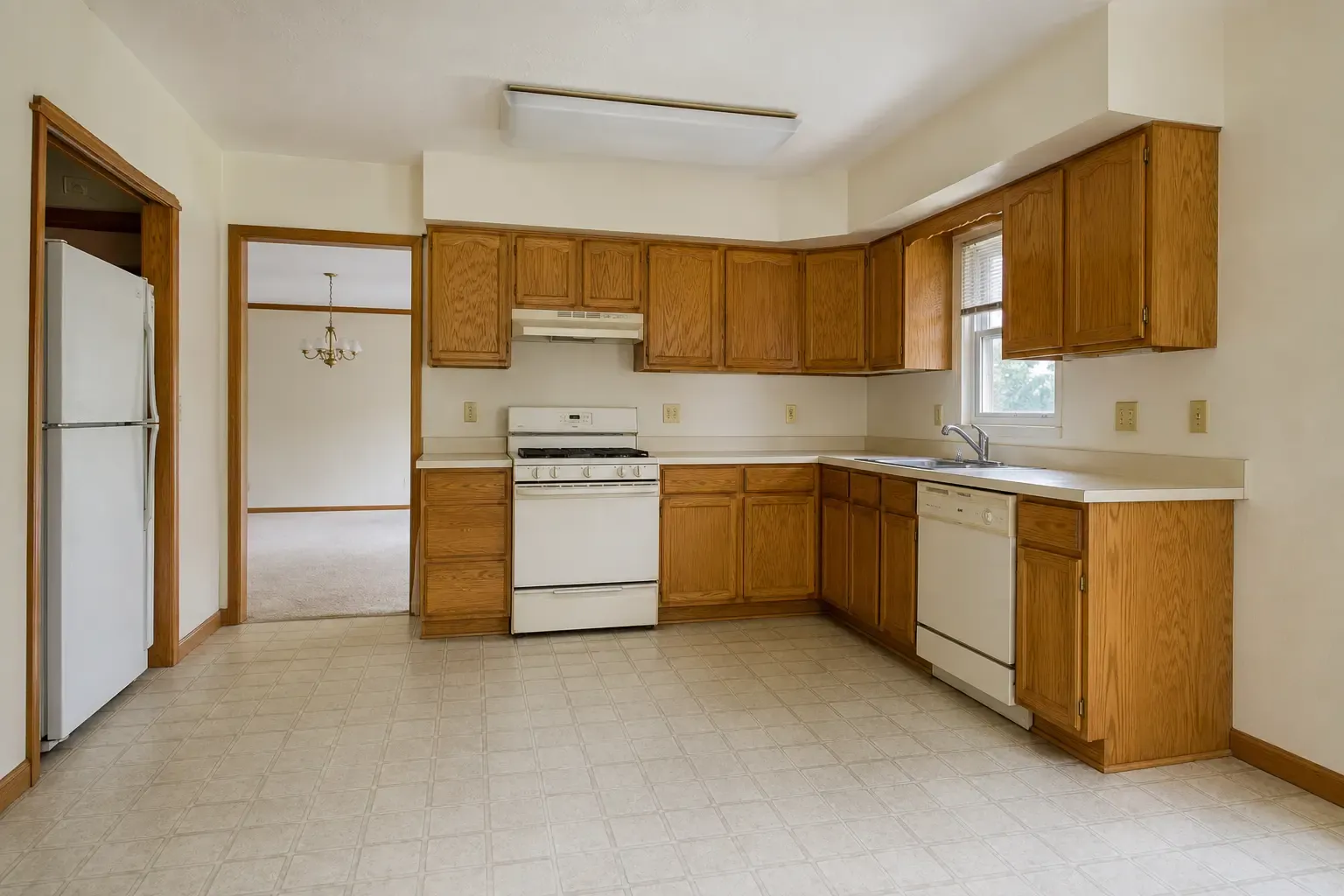 CabinetsFlooring
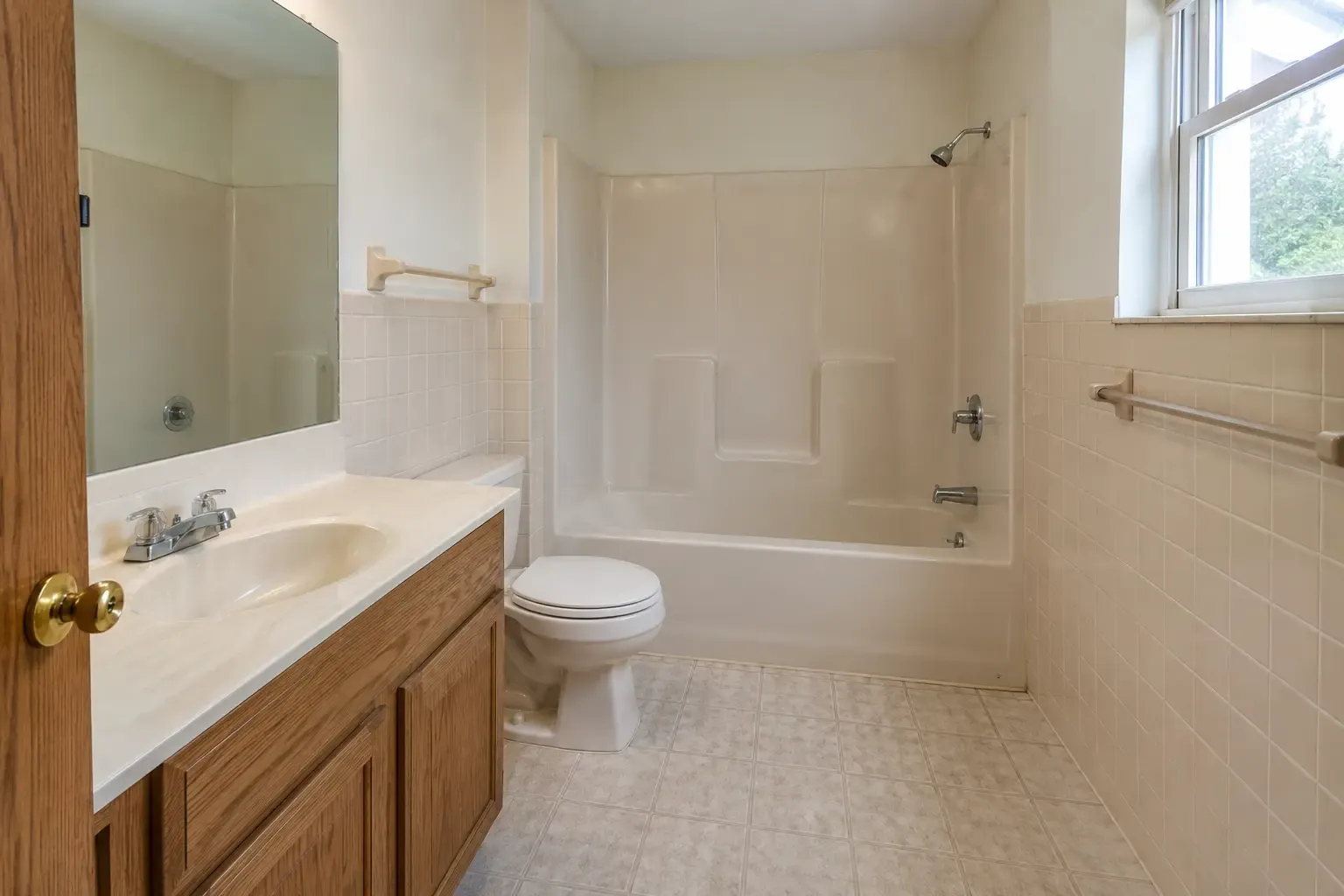 Tub & tile
 Floors
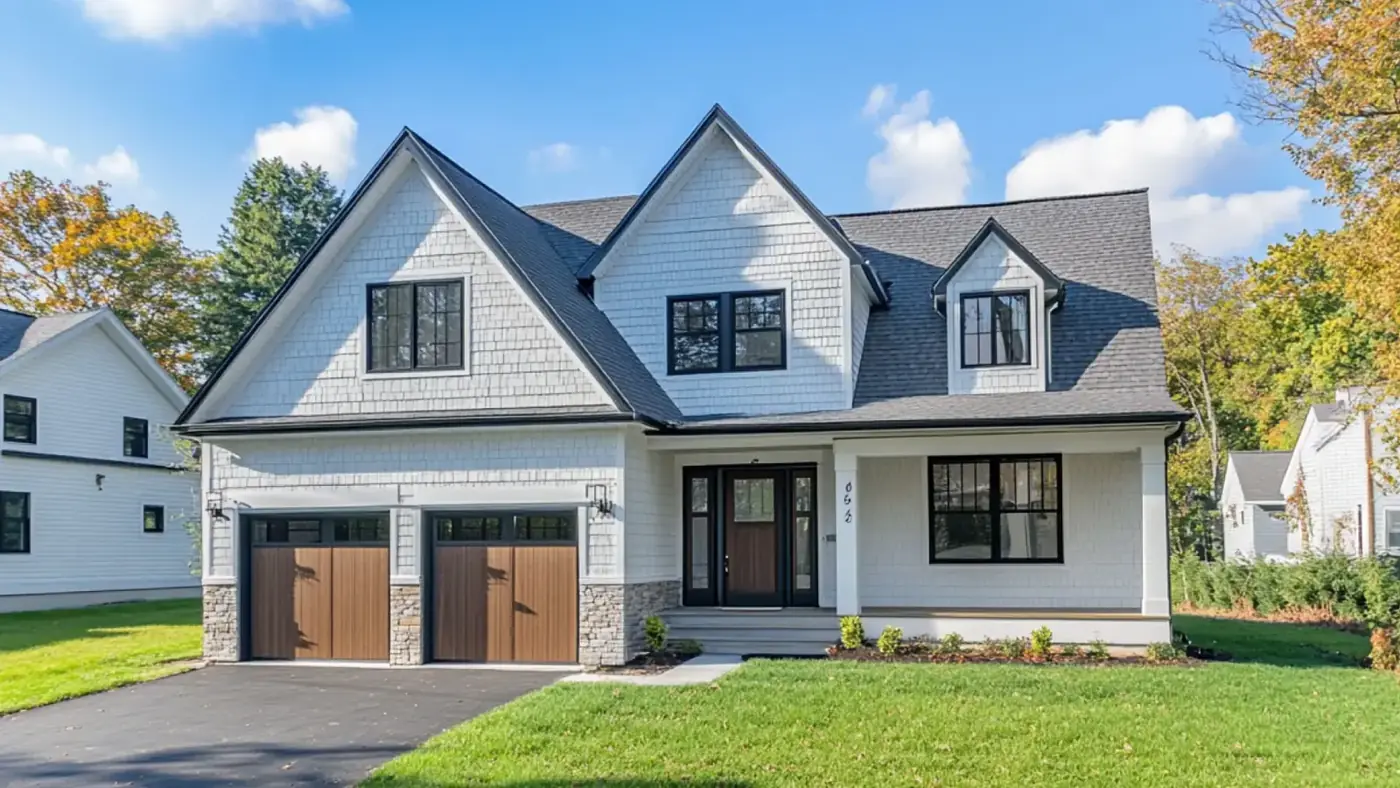 Roof
We may bring in a partner buyer to close. Your price and terms don’t change.
How Pennsylvania Foreclosure Laws Protect Homeowners
One of the defining features of pennsylvania foreclosure laws is the focus on giving homeowners a fair chance to catch up on delinquent payments before permanent loss occurs. Two key legal protections in Pennsylvania are the Act 91 Notice requirement and the legal right to cure default.
Under Act 91, lenders must provide you with written notice detailing the exact amount required to clear your delinquency. This notice also triggers a mandatory 30-day pause (plus an extra 30 days if you meet with an approved consumer credit housing counseling agency). During this time, the lender cannot initiate court proceedings against you. This period gives you space to evaluate whether you can re-budget, negotiate a loan modification, or sell the house.
Additionally, Pennsylvania law provides homeowners with the statutory right to cure the default at any time up to one hour before the Sheriff Sale begins. Curing the default means paying the past-due balance, late fees, and legal costs accumulated by the lender. If you choose to sell your home, the proceeds from the closing pay off this debt completely, stopping the foreclosure in its tracks.
Understanding Foreclosure in Philadelphia PA and the Sheriff Sale
When dealing with a foreclosure philadelphia pa scenario, the ultimate destination of an unresolved foreclosure case is the Philadelphia Sheriff Sale. Held regularly by the Sheriff’s Office, these sales put distressed properties up for public auction to satisfy outstanding mortgage debts, tax liens, or municipal claims.
If your property reaches the Sheriff Sale, it is sold to third-party real estate investors or bought back by the foreclosing lender (often referred to as Real Estate Owned or REO). Once the auction is finalized and the Sheriff executes the deed transfer, you lose all legal claim to the property. Shortly after, you can face formal eviction proceedings conducted by law enforcement.
Allowing your property to go all the way through a Sheriff Sale has severe long-term impacts. A completed foreclosure registers as a major negative mark on your credit file, dropping your credit score significantly and remaining on your report for up to seven years. This makes renting a new home, securing loans, or obtaining credit cards extremely difficult. Selling the house before the sale occurs avoids this severe outcome.
Know where you stand,
on your own time.
Watch what homes around you sell for and how fast, so when you are ready, you already know your options.
Follow your numbers as the market moves, and decide when the timing is right.
Can You Sell Your House Before the Sheriff Sale?
The short answer is a resounding yes. You have every right to sell your home right up until the auction is completed. Because you remain the legal title holder throughout the legal process, the mortgage company cannot stop you from selling your property to satisfy the mortgage balance.
When you sell your house prior to the Sheriff Sale, the proceeds derived from the sale are used at settlement to pay off your outstanding mortgage principal, back interest, court fees, and attorney costs. Once the escrow title company disburses those funds to the foreclosing lender, the lender files a formal dismissal of the foreclosure action with the court.
If your house is worth more than the total debt owed, you keep whatever equity remains after the loan and settlement expenses are paid. Instead of losing everything at a public auction, you walk away with cash to help you start fresh in your next living arrangement.
Comparing Selling Options: Traditional Listing vs. Direct Cash Buyer
When selling under the pressure of an impending Sheriff Sale deadline, choosing the right sales strategy is critical. Homeowners generally have two main paths available in Philadelphia: listing with a traditional real estate agent or selling directly to a professional home buying firm like Philly Home Investor.
The Traditional Listing Route
Listing your property on the open market with a real estate agent can potentially fetch a higher overall sale price if the home is in excellent physical condition. However, this method comes with major hurdles when time is limited:
- Time Constraints: Finding a buyer, negotiating offers, waiting on buyer mortgage approvals, home inspections, and property appraisals can easily take 60 to 90 days or longer.
- Out-of-Pocket Expenses: Retail buyers usually expect home repairs, modern updates, and professional staging before making an offer.
- Financing Risks: If a retail buyer’s bank loan falls through at the last minute, you may run out of time before the Sheriff Sale date.
Selling directly to Philly Home Investor
For homeowners facing an impending court date, speed and certainty are paramount. Selling directly to an investor offers several distinct advantages:
- Fast Closing: Cash transactions do not rely on bank mortgage approvals, enabling closings in as little as a few days.
- As-Is Sale: You do not need to make repairs, clean up, or pay for costly renovations.
- Zero Commissions or Hidden Fees: Direct sales eliminate real estate agent commissions and reduce settlement overhead.
What If You Owe More Than the House Is Worth? (Short Sales)
In some cases, falling behind on mortgage payments is compounded by declining property values, deferred maintenance, or accumulated interest fees, leaving you with negative equity. If your total debt exceeds the current market value of your property, a standard sale won’t produce enough cash to pay off the mortgage completely.
Under these circumstances, a short sale may be your best path forward. A short sale occurs when your lender agrees to accept a purchase price that is less than the full balance owed on the mortgage loan, forgiving or releasing the remaining balance.
While short sales require lender approval and additional documentation, working with experienced buyers who understand how to present short sale purchase offers to financial institutions can make the process smooth. Successful short sales stop the Sheriff Sale, extinguish your mortgage obligation, and avoid the harsh, lasting credit impact of a recorded foreclosure default.
Steps to Take Right Now to Stop Foreclosure in Philadelphia
If you have received legal notices or a Sheriff Sale date has already been set, taking immediate action is vital. Here are the practical steps you should follow right now to safeguard your interests:
- Open All Mail: Avoid the temptation to ignore correspondence. Monitor all notices from your lender, legal counsel, and the court to stay aware of critical deadlines.
- Determine Your Exact Payoff Amount: Contact your lender or mortgage servicer and request an official written payoff statement detailing what is required to pay off the mortgage completely.
- Evaluate Your Equity: Compare the payoff figure to your home’s realistic market value to see if you have positive equity remaining.
- Contact Philly Home Investor: Explore how a direct cash sale can stop the foreclosure process and allow you to sell on your schedule before auction day arrives.
Time is your most valuable asset when dealing with impending legal auctions. By acting quickly, you maintain control over your destiny and pave the way for a clean financial fresh start.
If you are navigating the foreclosure process in Philadelphia, Pennsylvania and want to explore your options for selling your home quickly without hassle or uncertainty, reach out to the friendly local team at Philly Home Investor today by calling 215-804-9105. We are here to help you navigate your challenges with dignity and ease.

David Bokman owns Philly Home Investor and buys houses in and around Philadelphia directly from homeowners. Every guide here comes from real sales, not theory.
See the house together.
Pick a time that works.
Choose a time for us to walk through the property with you, or ask for a quick call first. We confirm every request personally.
Tuesday, January 13
No open times in the next few weeks. Please call us.
We will confirm by email. Nothing is booked until we do.
View my request