Category: Blog

  • Selling a House During Probate in Pennsylvania

    Selling a House During Probate in Pennsylvania

    If you’ve recently inherited a house in Pennsylvania, you’re probably asking:

    • Can I sell the house during probate?

    The short answer is:

    Yes, in many cases, a house can be sold during probate.

    However, the process can be different from a traditional home sale, and many families are unsure where to start.

    If you’re dealing with an inherited property, probate, multiple heirs, or a house that needs repairs, understanding how the process works can help you avoid unnecessary stress and delays.

    Let’s walk through what you need to know.


    What Is Probate?

    Probate is the legal process used to settle a person’s estate after they pass away.

    The probate process typically involves:

    • identifying assets
    • paying debts
    • resolving taxes
    • distributing property to beneficiaries

    If the deceased person owned a house, probate may be required before ownership can be transferred or the property can be sold.


    Can You Sell a House During Probate in Pennsylvania?

    In many situations, yes.

    A house can often be sold during probate if the proper legal authority is in place.

    The person responsible for handling the estate is usually called the:

    Executor

    or

    Personal Representative

    This individual may have authority to manage and sell estate assets depending on the circumstances.

    Why Families Sell Probate Properties

    Every situation is different.

    Some of the most common reasons include:


    The House Needs Repairs

    Many inherited homes have not been updated in years.

    Families may discover:

    • roof issues
    • plumbing problems
    • electrical concerns
    • deferred maintenance

    Rather than invest significant money into repairs, some heirs choose to sell.


    Multiple Heirs Are Involved

    When several family members inherit a property together, decisions can become complicated.

    Questions often arise, such as:

    • Who will manage the house?
    • Who pays expenses?
    • Does someone want to keep it?
    • Does someone want to sell?

    Selling is often the simplest solution.


    The Property Is Vacant

    Vacant houses create ongoing expenses, including:

    • property taxes
    • insurance
    • maintenance
    • utilities

    The longer a property sits empty, the more expensive it can become.


    The Family Lives Out of State

    Managing a property from another city or state can be difficult.

    Many heirs simply do not want the responsibility of maintaining an inherited house from a distance.


    How Does Selling a Probate House Work?

    The exact process depends on the estate and legal circumstances.

    However, a typical probate sale often includes:

    Step 1

    The estate enters probate.

    Step 2

    The executor or personal representative receives authority to act on behalf of the estate.

    Step 3

    The property is prepared for sale.

    Step 4

    The house is sold.

    Step 5

    Proceeds are distributed according to the estate and applicable laws.

    Can You Sell a Probate House As-Is?

    Yes.

    Many probate properties are sold as-is.

    This is especially common when:

    • repairs are needed
    • the property is outdated
    • heirs do not want to manage renovations
    • the home has been vacant

    Selling as-is allows families to avoid the time and expense of preparing the property for the traditional market.

    What If the House Has Back Taxes?

    This is very common.

    Some inherited properties have:

    These issues do not automatically prevent a sale.

    In many cases, they can be addressed during the closing process.

    What If There Are Multiple Beneficiaries?

    This is one of the most common probate questions.

    When several heirs inherit a property, agreement is often needed regarding:

    • whether to sell
    • how proceeds will be divided
    • who manages the property

    Communication becomes extremely important.


    How Long Does Probate Take in Pennsylvania?

    Every estate is different.

    Factors that may impact timing include:

    • estate complexity
    • number of heirs
    • outstanding debts
    • court schedules

    Some probate cases move relatively quickly, while others take significantly longer.  When you work with a company like Philly Home Investor that has in-house attorneys, this process can be much quicker in most cases.


    Common Probate Mistakes

    Families often make mistakes such as:

    * Letting the property sit vacant too long

    * Ignoring maintenance issues

    * Falling behind on taxes

    * Failing to communicate with other heirs

    * Waiting too long to explore available options

    The sooner a plan is developed, the easier the process usually becomes.


    A Simple Way to Think About It

    Probate can feel overwhelming because you’re dealing with:

    • legal issues
    • family decisions
    • financial questions

    all at the same time.

    The good news is that most probate situations have multiple solutions available.

    The key is understanding your options before making major decisions.


    Final Thoughts

    Yes, it is often possible to sell a house during probate in Pennsylvania.

    Whether the property needs repairs, has multiple heirs, contains back taxes, or has been sitting vacant, many families successfully sell probate properties every year.

    Understanding the probate process and exploring your available options can help make an already difficult situation much easier to navigate.


    Frequently Asked Questions

    Can you sell a house during probate in Pennsylvania?

    Yes. In many situations, a probate property can be sold once the executor or personal representative has the necessary legal authority.


    What is a probate house?

    A probate house is a property that is part of a deceased person’s estate and is being handled through the probate process.


    Can you sell a probate house as-is?

    Yes. Many probate properties are sold as-is without repairs or updates.


    What happens if multiple heirs inherit a house?

    The heirs may need to work together regarding decisions involving the property, including whether to keep or sell the house.


    Can a probate house have back taxes or liens?

    Yes. Many inherited properties have unpaid taxes, liens, or other debts that are addressed during the sale process.

  • Can You Sell a House With Back Taxes in Philadelphia? (2026 Guide)

    Can You Sell a House With Back Taxes in Philadelphia? (2026 Guide)

    The short answer?

    Yes, you can usually sell a house in Philadelphia even if you owe back property taxes.

    In fact, many homeowners sell properties with unpaid taxes every year.

    But if you’ve fallen behind, you’re probably wondering:

    • Can I still sell my house?
    • Will back taxes stop the sale?
    • What happens to the taxes at closing?
    • Am I at risk of losing the property?

    The good news is that owing property taxes does not automatically prevent you from selling.

    Let’s walk through how it works.

    What Are Back Property Taxes?

    Back taxes simply mean property taxes that were not paid when they became due.

    Over time, unpaid taxes may accumulate:

    • penalties
    • interest
    • collection fees

    The longer taxes remain unpaid, the larger the balance can become.


    Can You Sell a House With Unpaid Property Taxes?

    Yes.

    Having unpaid property taxes does not automatically stop you from selling your home.

    In many cases, the property can still be sold, and the taxes are addressed during the closing process.

    This surprises many homeowners because they assume:

    “I owe taxes, so I can’t sell.”

    Fortunately, that’s usually not the case.

    What Happens to Back Taxes at Closing?

    When a property is sold, a title company typically performs a title search.

    This search identifies:

    • unpaid property taxes
    • liens
    • judgments
    • other claims against the property

    Any outstanding tax balances are generally paid from the proceeds of the sale before the seller receives their funds.

    In simple terms:

    The taxes often get paid when the transaction closes.

    What If I Owe More Than Expected?

    Many homeowners haven’t checked their tax balance in years.

    Then they discover:

    • penalties
    • interest
    • fees

    have significantly increased the amount owed.

    This is why it’s important to understand the total balance before making decisions.

    Can Back Taxes Lead to Bigger Problems?

    Unfortunately, yes.

    Ignoring unpaid taxes can create additional issues over time.

    These may include:

    • tax liens
    • collection activity
    • sheriff sale proceedings
    • increased financial pressure

    This is one reason many homeowners decide to address the situation sooner rather than later.

    What Is a Tax Lien?

    A tax lien is a legal claim against the property for unpaid taxes.

    The lien helps ensure the taxing authority gets paid when the property is sold.

    Many homeowners hear the word “lien” and immediately panic.

    But a tax lien does not necessarily mean you can’t sell your house.


    Can I Sell a House With a Tax Lien?

    Often, yes.

    Many properties with tax liens are successfully sold.

    The lien amount is typically addressed during the closing process.

    Every situation is different, but having a tax lien does not automatically prevent a sale.

    What Happens If I Keep Ignoring Back Taxes?

    This is where things can become more serious.

    Over time:

    • penalties grow
    • interest grows
    • collection efforts may increase

    Eventually, some properties may face legal actions designed to recover the unpaid taxes.

    The longer the issue remains unresolved, the fewer options may be available.

    Why Philadelphia Homeowners Fall Behind on Taxes

    There are many reasons.

    Common situations include:


    Inherited Properties

    Many inherited houses come with unexpected expenses.

    Sometimes property taxes have already fallen behind before the heirs take ownership.


    Vacant Houses

    Vacant properties can become expensive quickly.

    Owners may be paying:

    • utilities
    • maintenance
    • insurance

    While the property generates no income.


    Financial Hardship

    Unexpected events happen.

    Examples include:

    • job loss
    • medical expenses
    • divorce
    • family emergencies

    Falling behind on taxes can happen faster than people expect.


    Rental Property Challenges

    Landlords may experience:

    • vacancies
    • non-paying tenants
    • major repairs

    which creates financial pressure.

    Should You Pay Off Back Taxes Before Selling?

    Not necessarily.

    Every situation is different.

    Some homeowners choose to pay the balance before listing.

    Others sell first and allow the taxes to be resolved during closing.

    Understanding your available options is often the most important first step.


    A Simple Way to Think About It

    The biggest mistake homeowners make is assuming:

    “It’s too late.”

    In many situations, there are still options available.

    The sooner you understand the numbers and timeline, the more flexibility you may have.

    Final Thoughts

    Yes, you can often sell a house with back taxes in Philadelphia.

    Unpaid taxes, tax liens, and related issues do not automatically prevent a sale. However, they should be addressed as part of the transaction process.

    The most important thing is understanding your situation early so you can make informed decisions and avoid unnecessary stress.

    If you have a property you need to sell fast in Philadelphia, let us make you a fair cash offer today!


    Frequently Asked Questions

    Can I sell a house with back taxes in Philadelphia?

    Yes. Many Philadelphia homeowners successfully sell properties with unpaid property taxes.


    Do back taxes prevent a home sale?

    Not usually. In many cases, the taxes can be paid from the proceeds of the sale at closing.


    What happens to unpaid property taxes when a house is sold?

    Outstanding property taxes are often identified during the title search and paid through the closing process.


    Can I sell a house with a tax lien?

    Yes. Many properties with tax liens are sold successfully, with the lien being addressed at closing.


    What happens if I ignore unpaid property taxes?

    Penalties and interest may continue to grow, and additional collection actions could occur over time.

  • Can You Sell a House With Tenants in Philadelphia?

    Can You Sell a House With Tenants in Philadelphia?

    The short answer? Yes, you can absolutely sell a house with tenants in Philadelphia. In fact, it happens all the time. But if you’ve never sold a rental property before, you probably have a few questions:
    • Do tenants have to move out?
    • Can I sell while the lease is still active?
    • What if the tenants won’t cooperate?
    • Will investors buy a property with tenants?
    The good news is that having tenants doesn’t prevent you from selling your property. The process may look a little different, but you still have options. Let’s break it down.

    Can You Legally Sell a House With Tenants?

    Yes. Owning a rental property does not prevent you from selling it. When you sell a tenant-occupied property, the sale transfers ownership of the property-not necessarily the lease agreement. That means in many situations: – The tenant stays. – The lease stays. – The new owner takes over.

    What Happens to the Lease When You Sell?

    This depends on the type of tenancy.

    If the Tenant Has a Lease

    If the tenant is currently under a valid lease agreement: The lease typically remains in effect after the sale. The new owner generally assumes the landlord’s responsibilities under that lease. In simple terms: The sale does not automatically cancel the lease.

    If the Tenant Is Month-to-Month

    Month-to-month tenancies are often more flexible. Depending on the circumstances and applicable laws, notice may be provided if the tenancy will end. Requirements can vary, so it’s important to understand the rules that apply to your situation.

    Do Tenants Have to Move Out Before You Sell?

    No. Many Philadelphia rental properties are sold with tenants still living in them. In fact: Many investors prefer buying occupied properties because rental income is already in place.

    Can You Sell a House With Bad Tenants?

    Yes. This is one of the most common questions landlords ask. Bad tenants may include:
    • consistently late payments
    • lease violations
    • property damage
    • communication issues
    • non-paying tenants
    While these situations can make a sale more challenging, they do not necessarily prevent you from selling. Many investors regularly purchase properties with tenant issues already in place. But keep in mind you may not get the price you are seeking if you’re dealing with problem tenants or squatters.

    What If the Tenant Won’t Allow Showings?

    This is where things can get frustrating. Some tenants are cooperative. Others are not. Common landlord concerns include:
    • refusing access
    • poor property condition
    • making showings difficult
    This is one reason some landlords prefer selling directly rather than listing traditionally. Traditional listings often require:
    • multiple showings
    • inspections
    • buyer walkthroughs
    Not every tenant is excited about that process.

    Is It Better to Wait Until the Tenant Moves Out?

    Sometimes. Sometimes not. It depends on:
    • property condition
    • tenant situation
    • lease status
    • your goals
    Waiting may make sense if: ✔ The tenant plans to leave soon ✔ The property needs updates before selling However, many owners decide they don’t want to continue waiting.

    Why Philadelphia Landlords Decide to Sell

    Every situation is different. Some common reasons include:

    Tired of Being a Landlord

    Managing rentals can become exhausting. Especially when dealing with:
    • maintenance
    • vacancies
    • late-night calls
    • difficult tenants
    The “passive income” people talk about doesn’t always feel passive.

    Major Repairs Are Needed

    Many Philadelphia rental properties are older homes. That can mean:
    • roofing issues
    • plumbing problems
    • electrical updates
    • expensive maintenance
    At some point, some owners decide it’s time to move on. Selling a property “As-Is” can at times be the best option.

    Problem Tenants

    Tenant issues are one of the biggest reasons landlords explore selling. Sometimes it’s not the property. It’s the situation.

    Inherited Rental Properties

    Many people inherit rental houses and quickly realize: “I don’t really want to be a landlord.” That’s completely understandable.

    Can Investors Buy a Tenant-Occupied Property?

    Absolutely. Many real estate investors specifically look for:
    • occupied rentals
    • duplexes
    • triplexes
    • income-producing properties
    For the right buyer, an occupied property can actually be attractive.

    What Should You Consider Before Selling?

    Before making a decision, consider:
    • lease terms
    • tenant cooperation
    • property condition
    • repair needs
    • your long-term goals
    The best option often depends on your specific situation.

    A Simple Way to Think About It

    Ask yourself: – Am I holding this property because I want to… or – Because I feel stuck with it? There’s a big difference. And that answer often helps clarify the next step.

    Final Thoughts

    Yes, you can sell a house with tenants in Philadelphia. Whether your tenants are great, difficult, month-to-month, or under a lease, there are usually multiple paths forward. The key is understanding your options and choosing the one that makes the most sense for your goals, timeline, and situation. Wondering what your house or property might be worth? Contact us to get a fair cash offer today.

    Frequently Asked Questions

    Can I sell my house if tenants still live there?

    Yes. Many rental properties in Philadelphia are sold with tenants still occupying the property.

    Does a lease transfer to the new owner?

    In many cases, yes. Existing lease agreements generally remain in effect after the property is sold.

    Can I sell a house with bad tenants?

    Yes. Many investors purchase properties with tenant-related issues already in place.

    Do tenants have to move out before I sell?

    No. Many rental properties are sold with tenants remaining in the home.

    Can I sell a month-to-month rental property?

    Yes. Month-to-month rental properties can be sold, although notice requirements and tenant rights should be considered.
  • What To Do With a Vacant House in Philadelphia

    What To Do With a Vacant House in Philadelphia

    At first, owning a vacant house might not seem like a huge deal. Then a few months go by… And suddenly you’re paying for: • taxes
    • insurance
    • utilities
    • maintenance
    • surprise problems you didn’t even know existed Meanwhile, the house is just… sitting there. If you own a vacant property in Philadelphia, you’re definitely not alone. Vacant homes are extremely common throughout the city – especially with inherited properties, older rowhomes, landlord situations, and houses needing repairs. The important thing to know is:
    • You have options.
    Let’s walk through them.

    What Counts as a Vacant House?

    A vacant house is a property that has been unoccupied for an extended period. This can happen for many reasons: • inherited properties
    • landlords moving on from rentals
    • homes needing repairs
    • foreclosure situations
    • owners relocating Sometimes a house sits vacant intentionally. Other times… Life just happens.

    Why Vacant Houses Become Expensive Quickly

    This is the part many homeowners underestimate. Even when nobody is living there, the bills don’t stop. Ever watch the movie “The Money Pit” well…..keep reading.

    Common Costs of a Vacant Property

    Property Taxes

    Philadelphia property taxes continue whether the house is occupied or not. And if taxes fall behind… –> that can create much bigger problems later.

    Insurance

    Vacant property insurance is often: • more expensive
    • more limited
    • harder to maintain Many homeowners don’t realize their standard policy may not fully cover a long-term vacant property.

    Utilities

    Even minimal utility usage still costs money. And shutting everything off completely can sometimes create new issues. (Especially during Philly winters.)

    Maintenance

    Vacant houses tend to deteriorate faster because: • small leaks go unnoticed
    • moisture builds up
    • pests move in
    • weather damage worsens A house sitting empty for too long can turn minor problems into expensive ones.

    The Philadelphia Factor

    Philadelphia has a lot of: • older rowhomes
    • tightly packed properties
    • strict city enforcement That means vacant houses often attract: • L&I violations
    • maintenance notices
    • neighborhood complaints The city tends to notice vacant properties pretty quickly.

    Common Problems With Vacant Houses

    Some of the most common issues include: • vandalism
    • break-ins
    • burst pipes
    • roof leaks
    • code violations
    • squatters
    • trash buildup Not exactly the kind of “investment property” most people imagined.

    What Are Your Options?

    If you own a vacant house in Philadelphia, you generally have a few paths forward.

    Option 1: Keep the Property

    This may make sense if:
    • the property is in good condition
    •  you plan to move back in
    • you want to rent it later
    • you can comfortably afford the carrying costs

    Option 2: Renovate the Property

    Some owners decide to: • fix the house up
    • refinance it
    • rent or sell later This can work well… But renovations in Philadelphia often take:
    • longer than expected
    •  cost more than expected
    Especially with older homes.

    Option 3: Rent the Property

    Turning a vacant house into a rental can create income, but it also comes with: • repairs
    • tenant management
    • licensing requirements
    • ongoing maintenance Landlording is not exactly passive income when the toilet explodes at 2am.

    Option 4: Sell the House As-Is

    This is one of the most common solutions. Selling as-is means:
    • no repairs
    • no cleaning
    • no updates
    • no dealing with contractors
    Many homeowners choose this route simply to stop the ongoing stress and expenses.

    Can You Sell a Vacant House in Philadelphia As-Is?

    Absolutely. Many vacant properties in Philadelphia are sold: • needing repairs
    • with violations
    • with belongings still inside
    • after sitting empty for years Vacant homes are very common in the investor market.

    How Long Is “Too Long” for a Vacant House?

    There’s no exact number… But generally: ->  the longer a house sits empty, the more problems tend to appear. Especially in older Philadelphia properties.

    Warning Signs a Vacant House Is Becoming a Bigger Problem

    Some signs include: • growing maintenance issues
    • city notices or violations
    • rising holding costs
    • vandalism or break-ins
    • stress from managing the property At some point, many owners decide: -> “I just don’t want to deal with this anymore.”

    A Simple Way to Think About It

    Ask yourself: -> Is this property helping your life… or creating more stress? That answer usually points people in the right direction.

    Quick Summary

    Vacant houses in Philadelphia can become expensive and difficult to manage over time due to taxes, maintenance, insurance, and city violations. Homeowners typically choose to keep, renovate, rent, or sell the property as-is, depending on their situation.

    FAQ Section

    What should I do with a vacant house in Philadelphia?

    Your options typically include keeping it, renovating it, renting it out, or selling it as-is.

    Can I sell a vacant house as-is?

    Yes. Many vacant homes in Philadelphia are sold as-is without repairs or cleaning.

    Are vacant houses expensive to maintain?

    They can be. Costs often include taxes, insurance, utilities, maintenance, and city violations.

    Can a vacant house get L&I violations?

    Yes. Vacant properties in Philadelphia frequently receive code violations or maintenance notices.

    How long can a house sit vacant?

    There is no strict limit, but the longer a property sits empty, the greater the risk of damage and ongoing costs.
  • What Happens If a House Goes to Sheriff Sale in Philadelphia?

    What Happens If a House Goes to Sheriff Sale in Philadelphia?

    If you’ve received a notice about a sheriff sale in Philadelphia, it can feel overwhelming. Most homeowners immediately think:
    • “Am I about to lose my house?”
    The reality is a bit more complicated – and more importantly: You may still have options. Let’s break down what a sheriff sale actually is, how the process works in Philadelphia, and what you can do before it’s too late. If you have a house you need to sell fast in Philadelphia, regardless of the reason, let us make you a fair cash offer today!

    What Is a Sheriff Sale in Philadelphia?

    A sheriff’s sale is a public auction at which a property is sold to recover unpaid debts. In Philadelphia, this usually happens because of: • unpaid property taxes
    • mortgage foreclosure
    • other legal judgments In simple terms: If debts tied to the property aren’t resolved, the property may be auctioned off to repay them.

    Why Houses Go to Sheriff Sale

    The most common reasons include: • falling behind on mortgage payments
    • unpaid property taxes
    • financial hardship
    • long-term vacant properties
    • inherited properties with unpaid bills This situation is more common than most people think.

    The Sheriff Sale Process in Philadelphia (Step-by-Step)

    1. Missed Payments or Unpaid Taxes

    It starts when payments fall behind. This could be: • mortgage payments
    • property taxes
    • liens At this stage, there’s usually still time to catch up.

    2. Legal Notices Are Sent

    Before a sheriff sale happens, you’ll typically receive: • warning letters
    • legal notices
    • court filings These notices are important – even if they’re confusing.

    3. The Property Is Scheduled for Sheriff Sale

    If the debt isn’t resolved, the property is scheduled for auction. You’ll receive notice of: • the sale date
    • the amount owed
    • legal details

    4. The Sheriff Sale Auction

    The property is auctioned to the highest bidder. Buyers may include: • investors
    • individuals
    • banks

    5. Ownership May Transfer

    If the property is sold and the situation isn’t resolved:
    • Ownership can transfer to the winning bidder

    Can You Stop a Sheriff Sale in Philadelphia?

    Yes – in many cases, you can. This is one of the most important things to understand. Options may include: • catching up on payments
    • negotiating with the lender
    • setting up payment plans
    • selling the property before the sale Timing is everything here.

    How Much Time Do You Have?

    The timeline varies, but typically: • the process takes several months
    • multiple notices are sent
    • there are opportunities to act before the sale However:
    • The closer you get to the sale date, the fewer options you have.

    What Happens If Your House Is Sold at Sheriff Sale?

    If the property is sold: • the debt is paid off from the proceeds
    • ownership may transfer
    • you may need to vacate the property Each situation can vary depending on the case.

    Can You Sell Your House Before a Sheriff Sale?

    Yes – and many homeowners do. Selling before the sale can: • stop the process
    • pay off the debt
    • avoid foreclosure on your record
    • give you more control over the outcome

    Why Some Homeowners Choose to Sell

    Many people decide to sell when: • they can’t catch up on payments
    • the situation feels overwhelming
    • they want to avoid the auction process
    • they want a faster resolution Selling can often be the simplest way to move forward.

    The Biggest Mistake Homeowners Make

    Waiting too long. Many homeowners ignore notices because: • they’re confusing
    • they’re stressful
    • they hope the situation will resolve itself Unfortunately, that usually makes things worse.

    The Philadelphia Factor

    Philadelphia has: • older housing stock
    • complex tax systems
    • frequent lien issues
    • active sheriff sale processes
    • This makes it especially important to act early.

    A Simple Way to Think About It

    Instead of thinking: “I’m out of options…” Think:
    • “What options do I still have right now?”
    Because in many cases:
    • There are still solutions available.

    Quick Summary

    A sheriff sale in Philadelphia is a public auction used to recover unpaid debts like taxes or mortgage payments. While it can lead to losing the property, homeowners often have time and options to resolve the situation before the sale occurs.

    FAQ Section

    What is a sheriff sale in Philadelphia?

    A sheriff sale is a public auction where a property is sold to recover unpaid debts like taxes or mortgage balances.

    Can you stop a sheriff sale in Philadelphia?

    Yes, in many cases you can stop it by paying the debt, negotiating, or selling the property before the sale.

    How long does the sheriff sale process take?

    It typically takes several months and includes multiple notices before the property is auctioned.

    What happens if your house is sold at sheriff sale?

    Ownership may transfer to the buyer, and the debt is paid from the sale proceeds.

    Can I sell my house before sheriff sale?

    Yes. Many homeowners sell before the sale to avoid foreclosure and regain control of the situation.
  • Should You Fix Your House or Sell It As-Is in Philadelphia?

    Should You Fix Your House or Sell It As-Is in Philadelphia?

    If you’re thinking about selling your house in Philadelphia, you’ve probably asked yourself: And the honest answer is… It depends. But don’t worry – we’re going to break this down in a way that actually makes sense (no HGTV fantasy math here).

    The Reality of Selling a House in Philadelphia

    Philadelphia is full of: • older rowhomes
    • properties with “character” (aka… things that need fixing)
    • homes that haven’t been updated in years So this decision comes up a lot.

    Option 1: Fix It Up Before Selling

    This is what most people think they should do. Make it nice → sell for more → profit. Sounds good in theory.

    What Fixing Your House Actually Involves

    Let’s look at what usually comes up: • roof repairs
    • electrical updates
    • plumbing issues
    • kitchen & bathroom upgrades
    • flooring and paint
    • permits (yep… Philly loves permits)

    The Real Costs (Not the HGTV Version)

    Here’s what homeowners often underestimate: 💸 Repairs cost more than expected
    ⏳ Projects take longer than planned
    😵‍💫 Contractors don’t always stay on schedule A “$15,000 renovation” can easily turn into:
    • $25K-$40K+ depending on the property

    The Timeline

    Fixing a house in Philadelphia can take: • a few weeks (best case)
    • a few months (more realistic) And during that time, you’re still paying: • taxes
    • utilities
    • insurance

    When Fixing Makes Sense

    Fixing your house might be a good option if: ✔ the home only needs minor updates
    ✔ you have time (and patience)
    ✔ you want to maximize retail value
    ✔ the property is already in decent condition

    Option 2: Sell Your House As-Is

    This is becoming more common – especially in Philadelphia.

    What Selling As-Is Means

    Selling as-is means: • no repairs
    • no cleaning
    • no updates
    • no inspections to fix issues You sell the house exactly how it sits.

    Why Many Philly Homeowners Choose This

    Because it removes: • stress
    • uncertainty
    • upfront costs
    • long timelines

    When Selling As-Is Makes Sense

    Selling as-is may be the better option if: • the house needs major repairs
    • you inherited the property
    • you’re dealing with tenants
    • the house is vacant
    • you don’t want to manage renovations
    • you need to sell quickly

    The Numbers: Fix vs Sell As-Is

    Let’s simplify it:

    Scenario A: Fix It

    • Spend: $30,000
    • Sell for: $300,000
    • Holding costs: $10,000 Net: ~$260,000 (before agent fees)

    Scenario B: Sell As-Is

    • No repair costs
    • Sell for: $250,000
    • No holding costs Net: ~$250,000
    – Difference? Not as big as most people think. And often…
    • The “as-is” option comes with WAY less stress.

    The Hidden Costs Most People Miss

    When deciding, don’t forget: • your time
    • your energy
    • unexpected issues
    • dealing with contractors
    • delays Sometimes the “cheaper” option isn’t actually cheaper.

    The Philadelphia Factor (Important)

    Philadelphia properties often have: • older systems
    • permit history issues
    • L&I violations
    • hidden repairs
    • That increases risk when renovating.

    A Simple Way to Decide

    Ask yourself:
    • Do I want to deal with repairs, time, and uncertainty…
      or
    •  Do I want a simpler, faster solution?
    There’s no right answer – just what fits your situation.

    Final Thoughts

    Selling a house isn’t just about maximizing price. It’s about: • your timeline
    • your stress level
    • your situation For some homeowners, fixing makes sense. For others, selling as-is is the smarter move.

    Quick Summary

    Fixing your house may help you get a higher sale price, but it comes with costs, time, and risk. Selling as-is is often faster and simpler, especially for homes that need repairs or for homeowners looking to avoid the hassle.

    FAQ Section

    Is it better to fix or sell as-is in Philadelphia?

    It depends on the condition of the property, your timeline, and your budget. Many homeowners choose to sell as-is to avoid repair costs and delays.

    Do I need to fix my house before selling in Philadelphia?

    No. You can sell your house as-is without making repairs.

    Will I get less money selling as-is?

    Possibly, but when you factor in repair costs and holding costs, the difference is often smaller than expected.

    How long does it take to fix a house before selling?

    It can take several weeks to several months, depending on the scope of repairs.

    Can I sell a house with major repairs needed?

    Yes. Many buyers purchase houses that need repairs, especially in Philadelphia.

    What’s My House Worth?

    Get a Free Quote Today

    Click Here
  • Inherited a House in South Jersey? Here’s What to Do (2026 Guide)

    Inherited a House in South Jersey? Here’s What to Do (2026 Guide)

    Inheriting a house might sound like a good thing at first. And sometimes it is. But for many people in South Jersey, it quickly turns into: • “What do we do with this house?”
    • “Who’s responsible for it?”
    • “Do we have to fix it?”
    • “Why is there so much stuff in here?” (There’s almost always a lot of stuff.) If you’ve recently inherited a property in Camden County, Burlington County, or Gloucester County, you’re not alone – and you have more options than you might think. Let’s break it down step-by-step.

    What Happens When You Inherit a House in New Jersey?

    When you inherit a property in New Jersey, ownership doesn’t always transfer instantly. In most cases, the property must go through a legal process called probate.

    What Is Probate in New Jersey?

    Probate is the legal process of transferring ownership of a deceased person’s assets – including real estate – to their heirs. In simple terms: It’s how the house officially becomes yours.

    How Long Does Probate Take?

    Probate timelines can vary, but in New Jersey: • Simple cases → a few weeks to a few months
    • More complex situations → several months or longer Factors that affect timing: • whether there is a will
    • number of heirs
    • disputes between family members
    • complexity of the estate

    Step 1: Determine Ownership

    Before making any decisions, confirm: • who legally owns the property
    • whether there are multiple heirs
    • whether probate is required If multiple people inherit the property, everyone typically needs to agree on what to do next.

    Step 2: Understand the Condition of the Property

    Many inherited homes in South Jersey are: • older properties
    • outdated
    • in need of repairs
    • filled with belongings This is completely normal. Some houses haven’t been updated in decades – and that’s okay.

    Step 3: Consider the Costs of Holding the Property

    This is where many people get surprised. Owning an inherited house comes with ongoing costs like: • property taxes
    • insurance
    • utilities
    • maintenance
    • repairs If the house is vacant, these costs can add up quickly.

    Step 4: Decide What You Want to Do With the Property

    You generally have three main options:

    Option 1: Keep the Property

    You might choose to: • live in the home
    • rent it out
    • hold it as an investment This makes sense if: ✔ the house is in good condition
    ✔ you’re prepared for ongoing costs
    ✔ you want to keep it long-term

    Option 2: Fix It Up and Sell

    Some homeowners decide to: • renovate the property
    • list it with an agent
    • try to maximize value Things to consider: • repair costs
    • contractor timelines
    • holding costs during renovation

    Option 3: Sell the House As-Is

    This is the most common route for inherited properties. It may make sense if: • the house needs repairs
    • you don’t want to clean everything out
    • there are multiple heirs involved
    • you live out of state
    • you want a faster, simpler solution Many inherited homes in South Jersey are sold as-is, without updates or cleanout.

    Can You Sell an Inherited House Before Probate Is Complete?

    In some cases, yes – but it depends on the situation. Typically: • The executor of the estate handles the sale
    • The transaction may need court approval
    • The title company coordinates everything This is where working with experienced professionals can make the process smoother.

    What About Taxes on an Inherited Property?

    New Jersey has specific rules when it comes to inheritance and property taxes. Things to be aware of: • potential inheritance taxes (depending on relationship)
    • capital gains if the property is sold
    • ongoing property taxes Every situation is different, so it’s often worth speaking with a professional if you’re unsure.

    What If the House Is Full of Belongings?

    This is extremely common. Many inherited homes still contain: • furniture
    • personal items
    • years (or decades) of belongings And yes… sometimes a lot more than expected. Your options include: • cleaning everything out
    • hiring a cleanout service
    • donating items
    • selling the property as-is Many homeowners choose the last option to avoid the time and effort involved.

    What If There Are Multiple Heirs?

    This is one of the most common challenges. When multiple people inherit a property: • everyone typically needs to agree
    • decisions can take longer
    • disagreements can happen Options include: • selling and splitting proceeds
    • one heir buying out the others
    • holding the property jointly

    When Selling Starts to Make Sense

    Many homeowners explore selling when: • the property needs major repairs
    • the house is vacant
    • managing the property becomes stressful
    • there are multiple heirs involved
    • they live out of state Selling can simplify the situation and allow everyone to move forward.

    Final Thoughts

    Inheriting a house in South Jersey can feel overwhelming at first – especially when you’re dealing with legal steps, property condition, and family decisions all at once. The important thing to remember is: You don’t have to figure everything out immediately. Once you understand your options, the process becomes much more manageable.

    FAQ Section

    What do I do first after inheriting a house in New Jersey?

    Start by determining ownership and whether the property needs to go through probate.

    Can I sell an inherited house in South Jersey as-is?

    Yes. Many inherited properties are sold as-is without repairs or cleanout.

    Do I have to clean out the house before selling?

    No. Some buyers will purchase the property with everything still inside.

    How long does probate take in New Jersey?

    It can take anywhere from a few weeks to several months, depending on the situation.

    What happens if multiple people inherit a house?

    All heirs typically need to agree on what to do with the property.

    What’s my house worth?

    Drop us a line today for a free quote!

    Click Here
  • Philadelphia L&I Violations: What Homeowners Need to Know

    Philadelphia L&I Violations: What Homeowners Need to Know

    If you own property in Philadelphia long enough, there’s a decent chance you’ll eventually get a letter from L&I. And when that letter shows up, it usually doesn’t say: “Hey, great job maintaining your property.” It usually says something closer to: “Violation Notice.” Not exactly the kind of mail anyone looks forward to. But here’s the important part: An L&I violation is not the end of the world – and it doesn’t mean you’re out of options. Let’s break down what L&I violations actually are, what they mean for your property, and what you can do about them.

    What Is an L&I Violation in Philadelphia?

    An L&I violation is a notice issued by the Philadelphia Department of Licenses & Inspections (L&I) when a property does not meet local building, safety, or maintenance codes. These violations are meant to ensure that properties are: • safe
    • structurally sound
    • compliant with city regulations In simple terms: If something about the property doesn’t meet code, L&I lets you know.

    Common L&I Violations in Philadelphia

    Philadelphia properties – especially older rowhomes – tend to run into similar issues. Some of the most common violations include: • Electrical systems not up to code
    • Plumbing issues
    • Structural damage
    • Roof problems
    • Missing permits for work
    • Unsafe conditions (loose railings, damaged stairs, etc.)
    • Vacant property violations
    • Trash or debris violations Translation: If a house has “character,” L&I may have opinions about it.

    Why L&I Violations Happen So Often in Philadelphia

    Philadelphia has: • Older housing stock
    • Dense rowhome construction
    • Strict code enforcement in certain areas Many homes were built decades ago and simply weren’t designed for modern code requirements. So even if nothing looks “wrong,” it may still not meet current standards.

    What Happens When You Get an L&I Violation?

    If you receive a violation notice, the process typically looks like this:

    1. Notice Is Issued

    You’ll receive a written notice explaining the issue.

    2. Time to Correct

    You’re usually given a timeframe to fix the problem.

    3. Reinspection

    L&I may reinspect the property to confirm compliance.

    4. Potential Penalties

    If the issue isn’t addressed, fines or additional enforcement actions may follow.

    Do L&I Violations Come With Fines?

    Sometimes yes – sometimes not immediately. It depends on: • the type of violation
    • how long it goes unresolved
    • whether it’s considered unsafe If violations are ignored, they can lead to: • daily fines
    • court action
    • additional enforcement This is where things can start getting expensive.

    Can You Sell a House With L&I Violations in Philadelphia?

    Yes – you can sell a house with L&I violations. This is one of the biggest misconceptions homeowners have. Many properties in Philadelphia are sold: • with open violations
    • with code issues
    • without repairs However, there are a few things to understand: • Buyers will factor violations into their offer
    • Traditional buyers may be hesitant
    • Investors are often more flexible

    Should You Fix L&I Violations Before Selling?

    It depends. Here are two common paths:

    Option 1: Fix the Violations

    This may make sense if: • the issues are minor
    • you want to list the property on the market
    • you have time and budget for repairs

    Option 2: Sell As-Is

    This may make more sense if: • repairs are expensive
    • the property is vacant
    • you inherited the house
    • you don’t want to deal with contractors
    • multiple violations exist Many homeowners choose this route simply to avoid the time and stress involved.

    How Much Do L&I Violations Cost to Fix?

    This varies widely. Examples:
    Issue Estimated Cost
    Electrical updates $5,000-$15,000
    Roof repair $8,000-$20,000
    Structural repairs $10,000+
    Permit corrections $1,000-$5,000
    And yes… sometimes it’s more than expected. (Actually, it’s often more than expected.)

    What If You Ignore an L&I Violation?

    Ignoring a violation usually doesn’t make it go away. Instead, it can lead to: • increasing fines
    • legal notices
    • additional violations
    • complications when selling In some cases, it can also impact insurance or financing.

    What Are Your Options If You Have L&I Violations?

    If you’re dealing with violations, you generally have three paths:

    Option 1: Fix Everything

    Pros:
    ✔ Higher resale value
    ✔ Easier traditional sale Cons:
    ✖ Time
    ✖ Cost
    ✖ Contractor headaches

    Option 2: Work With the City

    Sometimes you can: • extend deadlines
    • clarify requirements
    • resolve smaller issues

    Option 3: Sell the Property As-Is

    Pros:
    ✔ No repairs
    ✔ Faster timeline
    ✔ Less stress Cons:
    ✖ Lower sale price vs fully renovated

    When Homeowners Decide to Sell Instead

    Many sellers explore selling when: • the cost of repairs keeps growing
    • the property is vacant
    • they inherited the house
    • they live out of state
    • managing the property becomes overwhelming This is especially common in Philadelphia’s older housing areas.

    Final Thoughts

    L&I violations can feel stressful – especially if you’re not familiar with the process. But they are also extremely common in Philadelphia. The key is understanding: • what the violation means
    • what your options are
    • what makes sense for your situation Once you have that clarity, the situation becomes much more manageable.

    What’s My Home Worth?

    Drop us a line today for a free quote!

    Click Here

    FAQ Section

    What is an L&I violation in Philadelphia?

    An L&I violation is a notice issued by the city when a property does not meet building, safety, or maintenance codes.

    Can you sell a house with L&I violations?

    Yes. Many properties are sold as-is with open violations.

    Do L&I violations go away on their own?

    No. Violations typically remain until they are corrected or resolved.

    How long do you have to fix an L&I violation?

    It depends on the violation, but notices usually include a deadline.

    Are L&I violations expensive to fix?

    Costs vary widely depending on the issue, from minor repairs to major structural work.
  • How Tax Lien Sales Work in New Jersey

    How Tax Lien Sales Work in New Jersey

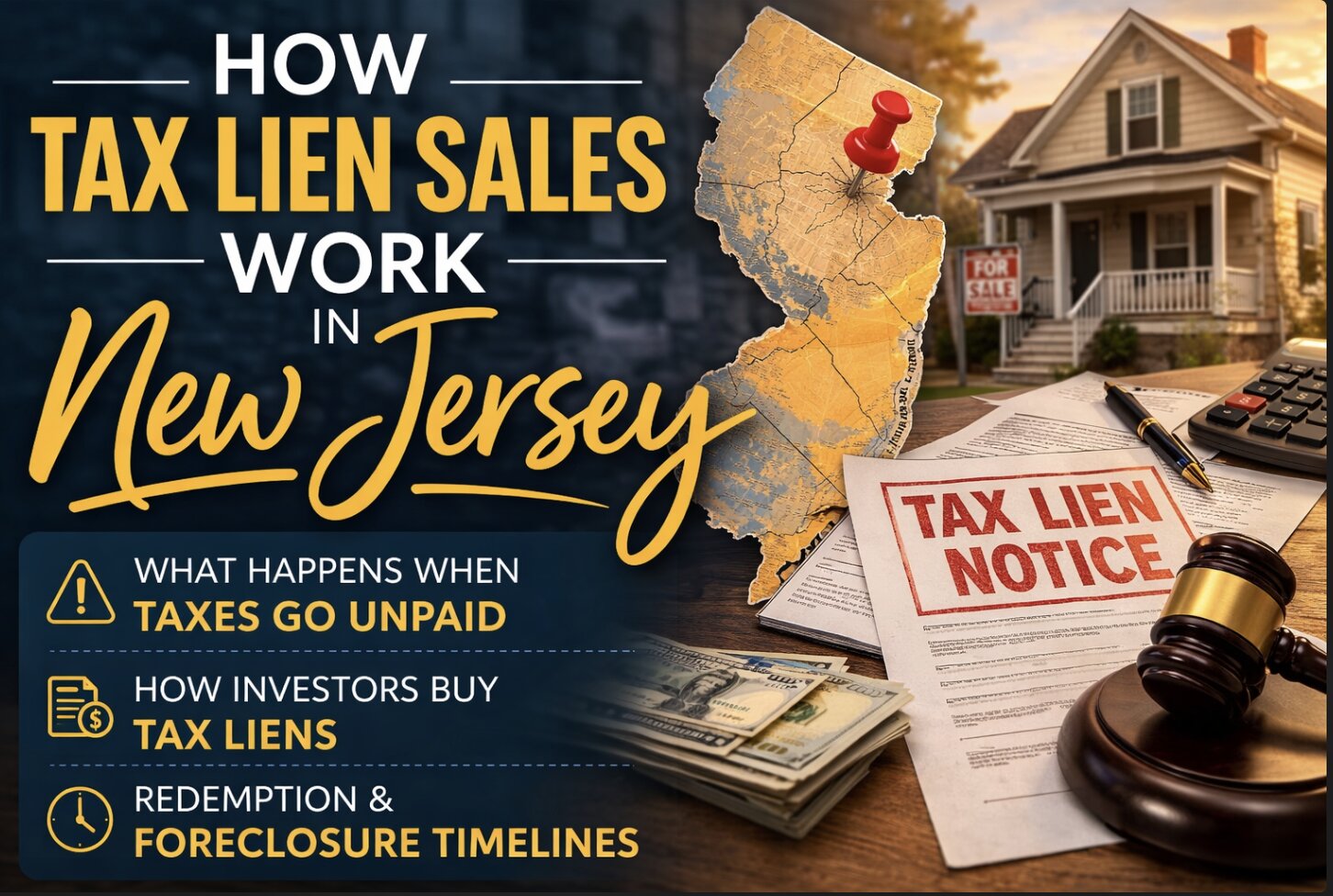
    If you fall behind on property taxes in New Jersey, your home isn’t usually taken immediately. Instead, New Jersey uses a system called tax lien sales, where the municipality sells the debt owed on the property to investors. These investors then have the right to collect the unpaid taxes – and in some cases, eventually foreclose on the property. For many homeowners in South Jersey, tax lien notices can be confusing and stressful. Understanding how the process works can help you make better decisions before the situation becomes more serious. In this guide, we’ll explain how tax lien sales work in New Jersey, how they affect homeowners in Camden, Burlington, and Gloucester County, and what options are available if you fall behind on property taxes. If you find yourself in a position where you need to sell your house fast in New Jersey, you’re in the right place.

    What Is a Tax Lien Sale in New Jersey?

    A tax lien sale is a process where a local municipality sells the right to collect unpaid property taxes to a third-party investor. Instead of the town waiting indefinitely for payment, they auction the debt owed on the property. The investor who buys the tax lien receives a tax lien certificate, which represents the unpaid taxes plus interest. The homeowner still owns the property, but the debt must eventually be paid to the lien holder.

    Why New Jersey Uses Tax Lien Sales

    Municipalities rely heavily on property tax revenue to fund: • schools
    • emergency services
    • road maintenance
    • municipal operations When property taxes go unpaid, tax lien sales allow the town to recover that revenue quickly while shifting the collection responsibility to investors.

    How the Tax Lien Sale Process Works

    The process generally follows several stages.

    1. Property Taxes Become Delinquent

    When property taxes are not paid by the due date, the municipality may begin charging: • interest
    • penalties
    • administrative fees If the taxes remain unpaid long enough, the municipality may include the property in the next tax lien sale auction.

    2. The Municipality Schedules a Tax Lien Sale

    Each municipality in New Jersey schedules its own tax lien sale, typically once per year. The property owner usually receives multiple notices before the property is included in the sale. These notices warn that the unpaid taxes may be sold to an investor.

    3. Investors Bid on the Tax Lien Certificate

    At the tax lien sale, investors bid on the lien. Unlike traditional auctions, where the highest bidder wins, New Jersey tax lien sales often work differently. Investors typically compete by bidding for lower interest rates. The investor willing to accept the lowest interest rate on the debt wins the certificate.

    4. The Investor Receives a Tax Lien Certificate

    Once the lien is purchased, the investor receives a tax lien certificate. This certificate represents: • the unpaid taxes
    • accumulated interest
    • legal claim against the property The homeowner must pay the debt to the certificate holder in order to clear the lien.

    What Happens After a Tax Lien Is Sold?

    After the tax lien certificate is issued, the homeowner still has the right to redeem the lien. This means the homeowner can pay: • the original tax debt
    • interest
    • penalties
    • legal fees Once the lien is redeemed, the investor receives their investment back plus interest.

    The Redemption Period in New Jersey

    New Jersey gives homeowners a redemption period before foreclosure can occur. In most cases: The investor must wait two years before filing for foreclosure on the property. This means homeowners often have time to resolve the debt. However, interest continues accumulating during this period.

    Can a Tax Lien Lead to Foreclosure?

    Yes. If the lien remains unpaid long enough, the certificate holder may eventually file a tax lien foreclosure lawsuit. If the court approves the foreclosure and the debt is still unresolved, the homeowner could lose ownership of the property. However, many homeowners resolve the situation before it reaches this stage.

    Why Many Investors Buy New Jersey Tax Liens

    New Jersey tax lien certificates attract investors because they can offer: • interest returns
    • potential foreclosure rights
    • secured investment backed by property Interest rates can vary depending on the auction and municipality.

    Common Reasons Homeowners Fall Behind on Property Taxes

    In South Jersey, unpaid taxes often happen when: • a home requires major repairs
    • a property becomes vacant
    • the owner moves out of state
    • an inherited property is not maintained
    • rental properties stop producing income When taxes accumulate over several years, the debt can grow quickly.

    What’s My House Worth?

    Drop us a line today for a free quote!

    Click Here

    Options for Homeowners With a Tax Lien

    If your property has a tax lien, several options may still be available.

    Option 1: Redeem the Lien

    The most direct option is paying the debt owed, including interest and penalties. Once paid, the lien is removed.

    Option 2: Payment Plans or Assistance Programs

    Some municipalities may offer assistance programs or payment arrangements for qualifying homeowners. Eligibility varies depending on the municipality and circumstances.

    Option 3: Refinancing the Property

    In some cases, homeowners refinance the property to pay off the tax lien. This option may be limited if the property needs significant repairs.

    Option 4: Selling the Property

    Some homeowners choose to sell the property before the situation escalates further. When a property is sold with a tax lien, the lien is typically paid off during closing using the sale proceeds.

    Selling a Property With a Tax Lien in South Jersey

    Yes, homes with tax liens are regularly sold in Camden County, Burlington County, and Gloucester County. During closing: • the lien is paid off
    • the title is cleared
    • ownership transfers normally In some cases, properties that require repairs or have significant tax debt may attract buyers who specialize in distressed real estate. Learn more about how we buy houses and our process.

    Final Thoughts

    New Jersey’s tax lien system can be confusing for homeowners who receive notices about unpaid property taxes. The important thing to remember is that a tax lien sale does not immediately take ownership away from you. In most cases, homeowners still have time to redeem the lien or explore other options before foreclosure becomes a possibility. Understanding how tax lien sales work can help you make informed decisions and prevent the situation from escalating further.

    FAQ Section

    What is a tax lien certificate in New Jersey?

    A tax lien certificate is a legal document issued to an investor who purchases unpaid property taxes during a municipal tax lien sale. The certificate represents the debt owed plus interest.

    How long before a tax lien can lead to foreclosure in New Jersey?

    In most cases, the certificate holder must wait at least two years before filing for foreclosure.

    Can you sell a house with a tax lien in New Jersey?

    Yes. Many homes are sold subject to tax liens, and the liens are typically paid off at closing. Many local home-buying companies, such as Philly Home Investor, specialize in this process and understand all the steps required to ensure a proper closing.

    What happens if a tax lien is not paid?

    If the lien remains unpaid for an extended period, the investor may eventually file a foreclosure lawsuit.
  • What Happens If You Stop Paying Property Taxes in Philadelphia?

    What Happens If You Stop Paying Property Taxes in Philadelphia?

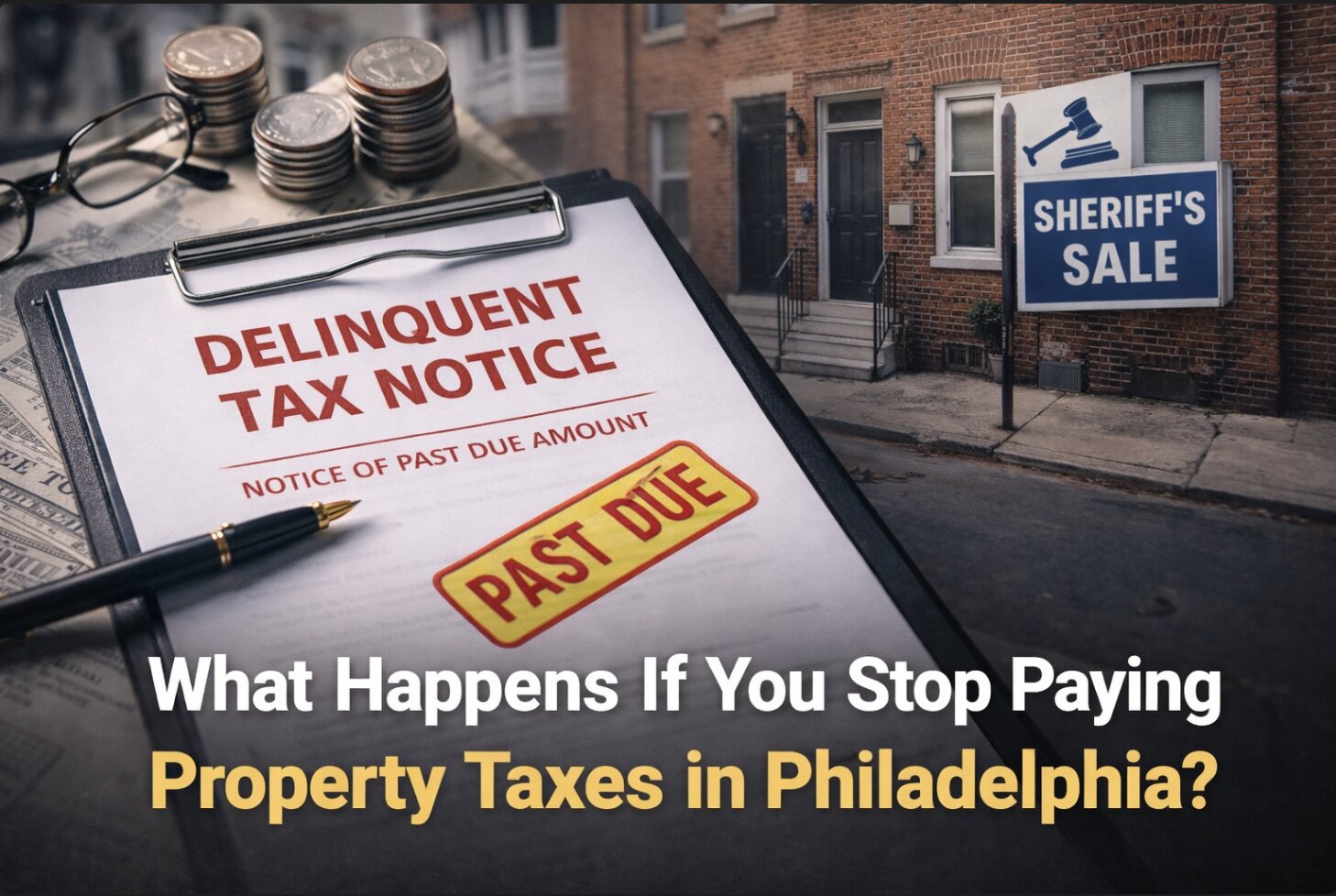
    If property taxes go unpaid in Philadelphia, the city may charge penalties and interest, place a tax lien on the property, and eventually pursue collection through a sheriff sale. This process usually occurs over multiple stages and often takes months or years. Falling behind on property taxes can happen faster than most homeowners expect. Maybe the house needs repairs you can’t afford. Maybe the property is vacant. Maybe life simply got complicated. Whatever the reason, unpaid property taxes in Philadelphia can eventually lead to serious consequences – including tax liens and sheriff sales. But here’s the good news: losing your property is usually not the first step. In most cases, there are several stages and multiple opportunities to resolve the situation before the city takes action. In this guide, we’ll explain exactly what happens if property taxes go unpaid in Philadelphia, how the process works, and what options homeowners have before things escalate. If you need to sell your house fast in Philadelphia, you’re in the right place.

    Understanding Property Taxes in Philadelphia

    Property taxes in Philadelphia are collected by the Philadelphia Department of Revenue and are based on the city’s Actual Value Initiative (AVI) assessments. Homeowners typically receive tax bills annually, though payment plans and installment options may also be available. If taxes go unpaid, the balance doesn’t simply sit there. Penalties, interest, and enforcement actions can begin accumulating quickly.

    What Happens If You Don’t Pay Property Taxes in Philadelphia?

    The process usually follows several stages: 1️⃣ Late payments and penalties
    2️⃣ Tax lien placed on the property
    3️⃣ Collection actions by the city
    4️⃣ Sheriff sale risk Let’s break down each stage.

    Stage 1: Late Property Tax Payments

    When property taxes are not paid by the due date, the city begins adding interest and penalties. Typical consequences include: • Late payment penalties
    • Interest charges on the unpaid balance
    • Collection notices from the city The longer taxes remain unpaid, the more the balance grows. For example, a few thousand dollars in unpaid taxes can grow significantly over several years once penalties and interest are added.

    Stage 2: A Tax Lien Is Placed on the Property

    What Is a Tax Lien in Philadelphia?

    A tax lien is a legal claim the city places on a property when property taxes remain unpaid. The lien ensures the city can recover the unpaid taxes before the property can be sold or refinanced. Once a lien is placed, interest continues accumulating and the debt must usually be resolved before ownership can transfer. If the taxes remain unpaid long enough, the City of Philadelphia can place a tax lien on the property. A tax lien is a legal claim against the property that secures the government’s right to collect the unpaid taxes. Once a lien is placed: • The debt must be resolved before the property can be sold normally
    • Interest continues accumulating
    • The city may pursue collection through legal channels Tax liens don’t immediately take ownership away from the homeowner, but they do create serious financial pressure.

    Stage 3: Collection and Legal Enforcement

    When unpaid taxes remain unresolved, the city may escalate the situation through legal enforcement. This can involve: • Additional notices and warnings
    • Referral to the city’s Law Department
    • Court proceedings related to the tax debt At this stage, homeowners still have opportunities to resolve the issue through payment plans, settlements, or selling the property.

    Stage 4: Sheriff Sale Risk

    What Is a Sheriff Sale in Philadelphia?

    A sheriff sale is a public auction where a property may be sold to recover unpaid debts, including property taxes. In Philadelphia, sheriff sales are typically scheduled only after multiple notices and legal proceedings. Many homeowners resolve the situation before reaching this stage. If the tax debt continues unresolved for an extended period, the property can eventually be scheduled for a Philadelphia Sheriff Sale. A sheriff sale is a public auction where the property may be sold to recover the unpaid taxes. However, it’s important to understand that sheriff sales typically happen after several warnings and legal notices. Many homeowners resolve the situation before reaching this stage.

    How Long Before a Property Goes to Sheriff Sale?

    The timeline can vary depending on: • The amount owed
    • Whether the homeowner responds to notices
    • Court scheduling
    • Payment arrangements made with the city In many cases, the process can take months or even years before a property reaches the auction stage. However, waiting too long often increases the amount owed due to penalties and interest.

    Options for Homeowners Behind on Property Taxes

    Can You Sell a House With Back Taxes in Philadelphia?

    Yes, you can sell a house in Philadelphia even if property taxes are owed. In most transactions, the unpaid taxes are simply paid from the sale proceeds during closing. However, if the tax debt exceeds the property’s value, additional negotiations may be required. If you’re behind on property taxes in Philadelphia, there are several potential options to consider.

    Option 1: Payment Plans With the City

    Philadelphia sometimes offers payment agreements that allow homeowners to catch up on taxes over time. These plans can help avoid further enforcement actions if the homeowner can manage the payments.

    Option 2: Tax Relief Programs

    Some homeowners may qualify for programs such as: • Homestead exemptions
    • Owner-occupant payment programs
    • Senior citizen tax assistance These programs can sometimes reduce the financial burden of property taxes.

    Option 3: Refinancing or Borrowing

    In some situations, homeowners refinance the property or obtain financing to pay off the tax debt. However, this option is not always available if the property needs repairs or already has multiple liens.

    Option 4: Selling the Property

    Some homeowners decide to sell the property before the situation worsens. Selling allows the tax debt to be paid from the proceeds of the sale, preventing additional penalties and avoiding the risk of a sheriff sale. In situations where the property needs repairs or has tax liens, selling to a buyer who specializes in distressed properties can sometimes simplify the process.

    Can You Sell a House in Philadelphia With Back Taxes?

    Yes, many homes in Philadelphia are sold with unpaid property taxes. In most cases, the tax debt is simply paid at closing using the sale proceeds. However, if the taxes owed exceed the property’s value, additional negotiations or solutions may be required. This is why many homeowners explore their options earlier rather than waiting until the situation becomes more complicated. Learn more about our process and how we buy properties.

    Why Vacant Properties Often Fall Behind on Taxes

    Vacant or inherited homes are particularly vulnerable to falling behind on property taxes. Common reasons include: • The property needs major repairs
    • The owner lives out of state
    • Family members inherited the house but aren’t maintaining it
    • Rental properties become too expensive to maintain In these situations, the tax debt can grow while the property continues deteriorating.

    When It Might Make Sense to Explore Selling

    Every situation is different, but homeowners sometimes explore selling when: • The property needs significant repairs
    • The tax debt continues increasing
    • Managing the property becomes stressful
    • The homeowner lives out of state
    • The house has been vacant for a long time Selling earlier can sometimes prevent the debt from growing further.

    Final Thoughts

    Falling behind on property taxes in Philadelphia can feel overwhelming, but it rarely happens overnight. There are usually multiple stages and opportunities to resolve the situation before the city moves toward a sheriff sale. Understanding the process early allows homeowners to evaluate their options, reduce stress, and make informed decisions about the property. If you’re dealing with unpaid taxes, taking action sooner rather than later can make a significant difference.

    FAQ Section

    Can you lose your house for unpaid property taxes in Philadelphia?

    Yes, if property taxes remain unpaid long enough, the city can pursue a sheriff sale to recover the debt. However, this typically happens after multiple notices and legal steps.

    How much can property taxes increase with penalties?

    Interest and penalties accumulate over time, which can significantly increase the total amount owed if the taxes remain unpaid for several years.

    Can you sell a house with back taxes in Philadelphia?

    Yes. In most cases, the unpaid taxes are simply paid from the proceeds of the sale at closing.

    What is a Philadelphia sheriff sale?

    A sheriff sale is a public auction where properties with unpaid debts, including property taxes, may be sold to recover what is owed.

    Are payment plans available for property taxes in Philadelphia?

    The city sometimes offers payment plans or assistance programs that allow homeowners to catch up on taxes over time.

    What’s My House Worth?

    Drop us a line today for a free quote!

    Click Here