Author: David

  • Is Selling to a Cash Home Buyer a Rip-Off? Let’s Do the Math (Philadelphia Edition)

    Is Selling to a Cash Home Buyer a Rip-Off? Let’s Do the Math (Philadelphia Edition)

    If you Google “cash home buyers,” you’ll see some strong opinions. Some say it’s the easiest way to sell.
    Others say it’s a scam.
    Some claim it’s a “rip-off.” So… which is it? Let’s remove the emotion.
    Let’s ignore the marketing.
    Let’s ignore the horror stories your cousin’s friend posted on Facebook. Let’s grab a calculator. If you’re selling a house in Philadelphia – especially a rowhome that needs work – the answer usually comes down to math, timing, and risk. Here’s how it really works.

    First: Why Do People Think It’s a Rip-Off?

    A cash home buyer typically offers less than the full retail market value. That’s true. But here’s what many people miss: A retail sale is not equal to what you walk away with. There are: • Agent commissions
    • Closing costs
    • Repairs
    • Inspection negotiations
    • Appraisal contingencies
    • Holding costs
    • Time delays
    • Financing risk
    • Market shifts When someone says:
    “They only offered 75% of market value!” The real question is: 75% of what number – and compared to what outcome?

    Scenario 1: The “Perfect” Retail Sale (Philadelphia Example)

    Let’s assume: After-Repair Value (ARV): $300,000
    The house needs $40,000 in repairs. If you list it with an agent:

    Step 1: Repairs

    $40,000 renovation
    (And yes, that’s conservative for many Philly rowhomes.)

    Step 2: Agent Commission (5-6%)

    $18,000

    Step 3: Seller Closing Costs (~2%)

    $6,000

    Step 4: Holding Costs (3-4 months)

    Taxes, insurance, utilities, maintenance: $5,000-$8,000 Let’s use $6,000.

    Total Expenses:

    Repairs: $40,000
    Commission: $18,000
    Closing: $6,000
    Holding: $6,000 Total: $70,000

    Final Walkaway:

    $300,000
    – $70,000
    = $230,000 net That’s assuming: • No inspection issues
    • No appraisal gap
    • No buyer backing out
    • No cost overruns
    • No timeline delays That’s the “clean” version.

    Scenario 2: Selling As-Is to a Cash Buyer

    Now, let’s say a local Philadelphia cash buyer offers: $210,000 You pay:
    • No repairs
    • No commission
    • No closing costs
    • Minimal holding costs
    • Close in 2-3 weeks You walk away with $210,000.

    So Is It a Rip-Off?

    Retail net: $230,000
    Cash net: $210,000 Difference: $20,000 Now ask yourself: Is $20,000 worth: • Managing contractors?
    • Taking renovation risk?
    • Floating $40,000 in upfront repairs?
    • Waiting 3-4 months?
    • Risking a deal falling through? For some people, yes. For others, absolutely not. That’s not a scam.
    That’s a trade-off.

    When Selling to a Cash Buyer Makes More Sense

    In Philadelphia specifically, it often makes sense when: • The house needs major structural work
    • There are L&I violations
    • The property is vacant
    • The home is inherited
    • There are tenant issues
    • You live out of state
    • You’re facing financial pressure
    • You don’t want to renovate Time and stress have value. And not everyone wants to become a part-time project manager.

    When It Probably Doesn’t Make Sense

    Let’s be honest. Selling to a cash buyer might NOT be ideal if: • The home is already updated
    • It’s in move-in condition
    • You have time
    • You’re not financially pressured
    • You want to maximize top dollar
    • The market is extremely strong In that case, listing may net you more. And that’s okay. A good investor should tell you that.

    The Hidden Costs Most Sellers Forget

    Here’s what people rarely calculate:

    1. Inspection Renegotiations

    It’s common for buyers to request:
    $5,000-$15,000 in credits after inspection.

    2. Appraisal Gaps

    If it appraises lower?
    The deal may collapse.

    3. Market Risk

    Philadelphia values fluctuate neighborhood by neighborhood.

    4. Emotional Cost

    Managing contractors during a difficult life situation isn’t free.

    How Cash Buyers Actually Make Money

    Let’s demystify this. A cash buyer typically:
    1. Buys below market value
    2. Takes on renovation risk
    3. Covers carrying costs
    4. Sells for retail after improvements
    Their margin covers: • Renovation risk
    • Financing costs
    • Taxes
    • Market risk
    • Unexpected surprises (and there are always surprises) It’s not charity.
    It’s business. But it’s not theft either.

    The Real Question Isn’t “Rip-Off?”

    The real question is: Which option fits your situation best? If you need speed, simplicity, and certainty –
    Cash may be worth it. If you want maximum possible return and can handle the process –
    Retail may be better. Both are valid.

    Philadelphia-Specific Considerations

    Philadelphia rowhomes often include: • Aging plumbing
    • Outdated electrical
    • Brick facade maintenance
    • Flat roof systems
    • Lead paint compliance
    • Rental licensing issues Renovation surprises are common. And repair budgets frequently expand. That risk matters.

    The Bottom Line

    Selling to a cash home buyer is not inherently a rip-off. It’s a convenience trade. You exchange:
    Maximum retail upside For:
    Speed, certainty, and simplicity. Since 2015, we’ve purchased over 400 properties throughout Philadelphia and surrounding counties. In many cases, homeowners choose simplicity over squeezing out every last dollar. And in other cases, we’ve told sellers to list instead. The math decides. Not emotion.

    Frequently Asked Questions

    Do cash buyers always pay less than market value?

    Yes – compared to fully renovated retail value. But the net difference is what matters.

    Are there fees when selling for cash?

    Reputable buyers typically cover closing costs and charge no commissions.

    How fast can a cash sale close in Philadelphia?

    Often within 7-21 days, depending on the title.

    Should I compare both options?

    Absolutely. Always compare the real net outcome.

    Final Thought

    If you’re unsure, the smartest move isn’t guessing. It’s getting real numbers. Compare:
    Retail estimate
    Repair budget
    Holding timeline
    Cash offer Then decide calmly. That’s not a rip-off. That’s informed decision-making.

    What’s My House Worth?

    Drop us a line today for a free quote!

    Click Here
  • What To Do With a Vacant or Abandoned House in Philadelphia

    What To Do With a Vacant or Abandoned House in Philadelphia

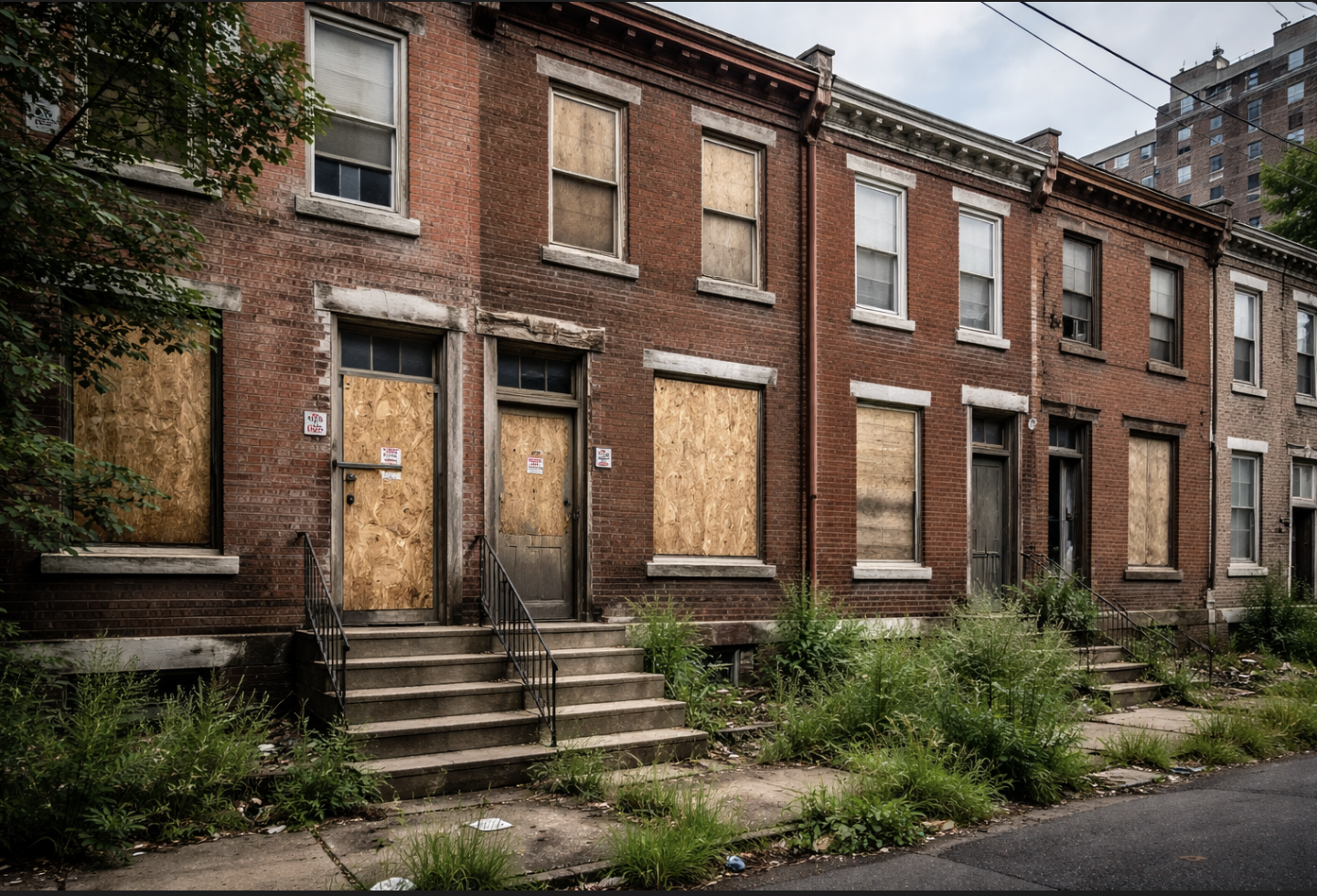
    Owning a vacant or abandoned property in Philadelphia can quickly become stressful, expensive, and legally complicated. Whether the house became vacant after a tenant moved out, a relative passed away, or you relocated unexpectedly, an empty property rarely stays “neutral” for long. Between city violations, maintenance issues, break-ins, insurance risks, and property taxes, vacant homes can become a financial and emotional burden. If you’re wondering what to do with a vacant or abandoned house in Philadelphia, this guide will walk you through your options, risks, and the smartest next steps. For homeowners who prefer a simpler route, you may consider selling your house fast in Philadelphia without repairs.

    Why Vacant Properties Are a Bigger Issue in Philadelphia Than Most Cities

    Philadelphia has one of the highest concentrations of older rowhomes in the country. Many properties were built decades ago and require consistent upkeep. When a home sits vacant, problems accelerate quickly. Common risks include:
    • Code violations from Philadelphia L&I
    • Property maintenance citations
    • Squatter or break-in risks
    • Insurance complications
    • Frozen pipes and structural damage
    • Increased property tax delinquency
    • Neighborhood complaints
    In some cases, vacant properties can even be added to the city’s Vacant Property Database, increasing scrutiny and potential fines. If the property is located in surrounding counties like Delaware, Montgomery, Bucks, or parts of South Jersey, similar risks apply – though enforcement policies vary.

    First: Determine the Condition of the Property

    Before making any decision, assess:
    • Is the property structurally sound?
    • Are there active water, roof, or foundation issues?
    • Are utilities on or off?
    • Is it secured properly?
    • Are there city violations?
    • Is it currently insured?
    Vacant homes deteriorate much faster than occupied ones. Even minor roof leaks can cause thousands of dollars in damage within months. If repairs are significant, your options may change dramatically.

    Option 1: Renovate and Sell on the Open Market

    One option is to invest in repairs and list the property with a real estate agent. This may work well if:
    • The property is in strong structural condition
    • Renovation costs are manageable
    • The neighborhood supports resale value
    • You have time to manage contractors
    • You are not facing financial pressure
    However, with Philadelphia rowhomes, renovation budgets can escalate quickly. Common issues include:
    • Electrical updates
    • Plumbing replacements
    • Brick repointing
    • Roof replacement
    • Structural joist repair
    • Outdated heating systems
    You must also factor in:
    • 5-6% agent commissions
    • Closing costs
    • Holding costs during renovation
    • Property taxes
    • Insurance premiums
    • Utility expenses
    If the property needs heavy repairs, this route can be risky without accurate budgeting.

    Option 2: Rent the Property

    If the house is in livable condition, you may consider renting it. This can generate income – but also introduces:
    • Tenant management responsibilities
    • Potential eviction risk
    • Property damage concerns
    • Ongoing maintenance
    • Licensing and compliance requirements
    Philadelphia requires rental licenses and lead certification compliance in many cases. If the property already become vacant due to difficult tenant issues, becoming a landlord again may not be appealing.

    Option 3: Hold the Property and Wait

    Some owners choose to hold onto vacant homes, hoping property values rise. However, vacant properties:
    • Continue accumulating taxes
    • Require insurance
    • Risk vandalism
    • May receive city citations
    • Deteriorate physically
    If appreciation outpaces holding costs, this strategy can work. But if fines or repairs escalate, the property can become a liability.

    Option 4: Sell the Vacant House As-Is

    For many homeowners, the simplest option is selling the property as-is to a direct buyer. This option works especially well when:
    • The house needs repairs
    • The property has been vacant for months
    • There are code violations
    • The owner lives out of state
    • The home was inherited
    • There are tax or lien issues
    Selling a vacant house directly means:
    • No repairs required
    • No cleaning needed
    • No staging or showings
    • No agent commissions
    • Flexible closing timeline
    Since 2015, we’ve purchased over 400 properties throughout Philadelphia and surrounding counties – many of which were vacant or distressed. Every situation is different, but for homeowners looking to simplify the process, this can remove significant stress.

    What About Abandoned Properties?

    If the property appears abandoned but still has a legal owner, that owner still holds responsibility for:
    • Taxes
    • Violations
    • Maintenance
    • Safety compliance
    If the home was inherited and the paperwork hasn’t been resolved, probate may be required before selling. If ownership is unclear, legal guidance may be necessary. Abandoned does not mean the property has no obligations attached to it.

    Financial Risks of Keeping a Vacant Property in Philadelphia

    Many owners underestimate the real cost of vacancy. Common hidden costs include:
    • Property tax delinquency interest
    • L&I violation fines
    • Emergency repair escalation
    • Insurance premium increases
    • Water line breaks
    • Structural settlement
    • Roof collapse from snow load
    • Neighbor complaints triggering inspections
    In certain neighborhoods, vacant homes can also become targets for:
    • Copper theft
    • Squatters
    • Dumping
    • Vandalism
    The longer a property remains empty, the greater the risk profile becomes.

    How to Sell a Vacant House in Philadelphia

    If selling becomes the preferred option, the process generally includes:
    1. Confirming ownership status
    2. Resolving any probate or title issues
    3. Reviewing outstanding taxes or liens
    4. Determining property condition
    5. Choosing a sale method (agent vs direct buyer)
    6. Coordinating closing with a title company
    If you choose to sell to a direct buyer, the typical process looks like:
    • Share property details
    • Schedule a walkthrough
    • Receive a cash offer
    • Choose your closing date
    Most offers are provided within 24 hours after review. See how our process works. 

    Can You Sell a Vacant House With Violations?

    Yes – in many cases. Some buyers will purchase properties with:
    • Open code violations
    • Tax delinquencies
    • Structural issues
    • Fire damage
    • Water damage
    • Utility shutoffs
    However, the pricing will reflect repair and compliance costs. Being upfront about the property’s condition helps avoid surprises.

    What If You Live Out of State?

    Many vacant properties in Philadelphia are owned by heirs or former residents who relocated. If you live out of state:
    • You can sell remotely
    • Title companies can handle mail-away closings
    • Electronic document signing is common
    • You do not need to be physically present
    This simplifies the process significantly.

    When Selling Makes the Most Sense

    Selling a vacant or abandoned house often makes the most sense when:
    • Repairs exceed your budget
    • The property is deteriorating
    • You’re receiving city notices
    • The home was inherited
    • You no longer want landlord responsibilities
    • You live far away
    • The stress outweighs the potential upside
    There is no universal right answer – but delaying decisions can increase costs.

    Frequently Asked Questions About Vacant Properties

    Can I sell a vacant house without cleaning it out?

    Yes. Many direct buyers purchase properties as-is, including leftover belongings.

    Do I need to fix violations before selling?

    Not always. Some buyers handle violations after purchase.

    How long can a house sit vacant in Philadelphia?

    There is no fixed timeline, but city inspections and violation risks increase over time.

    What if the property has back taxes?

    Back taxes are typically handled during closing through the title company.

    Final Thoughts: Making the Right Decision for Your Situation

    Vacant and abandoned homes are common in Philadelphia – but they require active decision-making. Whether you choose to renovate, rent, hold, or sell, understanding the risks and costs upfront allows you to move forward confidently. If you’re considering selling a vacant house in Philadelphia and want to understand what your options look like, you can request a no-obligation property evaluation and review the numbers clearly before making a decision. Every situation is different – and having accurate information is the first step.

    Ready to find out more?

    Drop us a line today for a free quote!

    Click Here
  • How to Sell a House With Tenants in Philadelphia: What Landlords Should Know

    How to Sell a House With Tenants in Philadelphia: What Landlords Should Know

    Selling a rental property in Philadelphia can feel complicated – especially if tenants are still living in the home. Many landlords aren’t sure whether they need to wait for the lease to end, ask tenants to leave, or make repairs before selling. The good news is that you can sell a house with tenants in place, and in many cases, it’s simpler than landlords expect. This guide explains how selling a tenant-occupied property works, your options, and how to decide what makes the most sense for your situation. Sell your house fast in Philadelphia.

    Can You Sell a House With Tenants in Philadelphia?

    Yes. In Pennsylvania, landlords can sell a property even if tenants are still living there. The lease typically transfers to the new owner, meaning the buyer assumes the existing rental agreement. This is common with:
    • duplexes and triplexes
    • multi-family buildings
    • single-family rental homes
    • inherited rental properties
    The key is understanding your lease terms and tenant rights before moving forward.

    Do Tenants Have to Leave Before You Sell?

    Not necessarily. You generally have three options:

    1️⃣ Sell With Tenants in Place

    The buyer takes over the lease and becomes the new landlord. This is common when selling to investors. Keep in mind that most investors prefer to purchase vacant homes so if your property needs work and tenants are paying under-market value rents for the area, you may not get as much for the property as you’re looking for.

    2️⃣ Wait Until the Lease Ends

    Some landlords choose to sell once tenants move out to broaden the pool of buyers.

    3️⃣ Offer a Move-Out Agreement

    In some cases, landlords and tenants agree on a voluntary move-out timeline before listing or selling. Each approach has pros and cons depending on timing, tenant cooperation, and your goals.

    Is It Harder to Sell a Tenant-Occupied Property?

    It can be – but not always. Traditional buyers often want:
    • vacant possession
    • easy access for showings
    • a move-in-ready property
    Tenants can make this process slower because:
    • showings must be coordinated
    • tenants may not keep the property presentation-ready
    • some buyers prefer vacant homes
    However, investor buyers are often comfortable purchasing tenant-occupied properties.

    Can You Sell a Rental Property As-Is?

    Yes. Many landlords sell rental properties without making repairs, especially if the property has been rented for years or needs updates. Selling as-is can:
    • avoid renovation costs
    • prevent tenant disruption
    • speed up the process
    • simplify the transaction
    For landlords ready to exit, this is often the most straightforward option.

    How Long Does It Take to Sell a Rental Property?

    Timelines depend on the selling method. Traditional listing:
    • showings must be scheduled around tenants
    • inspections may lead to repair requests
    • buyer financing can add delays
    • total timeline often 60-120+ days
    Direct sale to a buyer:
    • fewer showings
    • no repair negotiations
    • flexible closing timeline
    • sometimes just a few weeks
    Many landlords choose the faster option simply to reduce stress. Learn more about cash home buyers vs realtors in Philadelphia to decide which option is best for you.

    What Affects the Value of a Tenant-Occupied Property?

    Several factors influence price, including:
    • rent amount and lease terms
    • property condition
    • tenant history
    • location in Philadelphia
    • comparable investment sales
    Some buyers value stable tenants because they provide immediate rental income, while others prefer vacant properties.

    When Selling With Tenants Makes Sense

    Many Philadelphia landlords sell when:
    • they’re tired of managing tenants
    • maintenance costs are increasing
    • they inherited a rental property
    • they want to cash out equity
    • tenant issues have become stressful
    • they want to exit the rental market
    Selling can provide a clean break and simplify finances.

    What About Tenant Rights in Philadelphia?

    Philadelphia has strong tenant protection laws, so it’s important to:
    • give proper notice before showings
    • follow lease terms
    • communicate clearly with tenants
    • respect local housing regulations
    Working with an experienced buyer or real estate professional can help ensure the process goes smoothly and legally.

    Explore Your Options for Selling a Rental Property

    f you’re thinking about selling a tenant-occupied property in Philadelphia, the best first step is understanding what your options look like. You can: Knowing your choices helps you decide what’s best for your situation.

    Frequently Asked Questions About Selling a House With Tenants in Philadelphia

    Can I legally sell my house with tenants still living in it in Philadelphia?

    Yes. In Pennsylvania, landlords are allowed to sell a property while tenants are still living there. The existing lease typically transfers to the new owner, who becomes the tenant’s landlord after closing.

    Do tenants have to move out before I sell my rental property?

    No. Tenants do not usually need to move out before a sale unless the lease requires it or both parties agree to an early move-out. Many investment buyers purchase tenant-occupied properties with leases in place.

    Do I need my tenant’s permission to sell the property?

    You do not need tenant permission to sell the property, but you must follow lease terms and provide proper notice before showings or inspections according to Pennsylvania and Philadelphia regulations.

    Is it harder to sell a house with tenants?

    Selling with tenants can sometimes limit traditional buyers because showings must be coordinated and property condition may vary. However, many real estate investors actively look for tenant-occupied properties.

    Can I sell my rental property as-is with tenants in place?

    Yes. Many landlords sell rental properties as-is without making repairs or upgrades. Buyers who specialize in investment properties often purchase homes in their current condition.

    What happens to the tenant’s lease after the sale?

    The lease usually remains valid after closing. The new owner assumes the lease terms and becomes responsible for managing the tenant moving forward.

    How fast can I sell a tenant-occupied property in Philadelphia?

    The timeline depends on the selling method. Traditional listings may take several months, while direct sales to investment buyers can sometimes close in a few weeks depending on lease and title conditions.

    Why do landlords sell rental properties with tenants?

    Common reasons include rising maintenance costs, difficult tenants, inherited rental properties, market timing, or simply wanting to exit property management responsibilities.
  • How to Stop Foreclosure and Sell Your House Fast in Philadelphia

    How to Stop Foreclosure and Sell Your House Fast in Philadelphia

    If you’ve received foreclosure notices or fallen behind on mortgage payments, you’re not alone. Many Philadelphia homeowners face temporary financial setbacks that put their home at risk. The good news is that foreclosure doesn’t happen overnight. You usually still have options to protect your credit, avoid losing the property through auction, and potentially sell the home before the process is finalized. This guide explains how foreclosure works in Philadelphia, what your options are, and how selling your house quickly in Philadelphia may help you move forward.

    What Happens During Foreclosure in Philadelphia?

    In Pennsylvania, foreclosure is typically a judicial process, meaning the lender must go through the court system before the home can be sold at auction. The general steps are:
    1. Missed mortgage payments
    2. Notice from the lender
    3. Legal foreclosure filing
    4. Court process and timeline
    5. Sheriff’s sale or auction
    Because this process takes time, many homeowners still have a window to explore solutions.

    Can You Stop Foreclosure by Selling Your House?

    Yes. Selling your house before the foreclosure sale is one of the most common ways to resolve the situation. If the sale covers what’s owed on the mortgage (or you can negotiate with the lender), you may be able to:
    • Avoid foreclosure on your record
    • Protect your credit from further damage
    • Pay off the loan balance
    • Move on without the stress of the court process
    For many homeowners, this provides a clean financial reset.

    How Fast Do You Need to Act?

    Timing matters. If foreclosure has just begun, you usually have more flexibility. If a sheriff’s sale date has already been scheduled, your timeline may be tighter. In many cases, homeowners can still sell the property as long as the closing happens before the foreclosure sale is finalized. Because every situation is different, speaking with someone early can help you understand your options.

    Can You Sell a House in Foreclosure As-Is?

    Yes. You are not required to repair or update the home before selling. Many Philadelphia homes facing foreclosure are older properties that may need repairs, and traditional buyers often require inspections and financing approval. Selling to a buyer who can purchase the property as-is can sometimes make the process faster and more predictable.

    What If You Owe More Than the House Is Worth?

    If the mortgage balance is higher than the home’s value, you may still have options. These can include:
    • Negotiating with the lender
    • Exploring a short sale
    • Finding a buyer who can help structure a solution
    Lenders often prefer a sale over a foreclosure because it reduces legal costs and delays.

    How Long Does It Take to Sell a House in Foreclosure?

    Traditional listings can take time due to showings, inspections, and buyer financing. Some homeowners explore faster options because they want:
    • A quicker closing timeline
    • Fewer delays
    • More certainty about the outcome
    Depending on the situation, some sales can close in just a few weeks, while others take longer based on lender involvement and title requirements.

    Will Selling Hurt Your Credit Less Than Foreclosure?

    In many cases, yes. Foreclosure can stay on your credit report for years and make it harder to qualify for future loans. Selling before the foreclosure is completed may reduce long-term credit damage and allow you to move forward sooner.

    When Selling Quickly May Be the Best Option

    Many Philadelphia homeowners decide to sell when:
    • Payments are behind and catching up isn’t realistic
    • The property needs repairs they can’t afford
    • They want to avoid the stress of court proceedings
    • They want to resolve the situation before auction
    For many, selling provides clarity and a path forward.

    Explore Your Options Before the Deadline

    If you’re dealing with foreclosure in Philadelphia, it’s important to understand your options before time runs out. You can: Even if you’re unsure what you want to do, having clear information can help you make the best decision for your situation.

    Frequently Asked Questions About Foreclosure in Philadelphia

    How long does foreclosure take in Philadelphia?

    Foreclosure in Pennsylvania is a judicial process, meaning it goes through the court system. Timelines vary, but the process often takes several months from the first missed payment to a sheriff’s sale. This usually gives homeowners time to explore options before the property is auctioned.

    Can I sell my house while it’s in foreclosure?

    Yes. Many homeowners sell their house before the foreclosure sale takes place. As long as the closing happens before the sheriff’s sale, selling can often resolve the mortgage balance and prevent the foreclosure from being completed.

    Can selling my house stop foreclosure?

    Selling the property can stop foreclosure if the sale pays off the loan or the lender agrees to the terms of the transaction. This is one of the most common ways homeowners resolve foreclosure situations.

    Do I have to fix my house before selling during foreclosure?

    No. You can sell your house as-is, even if it needs repairs. Many buyers will purchase properties in their current condition, which can help speed up the process.

    What if I owe more than my house is worth?

    If the mortgage balance exceeds the property’s value, you may still have options, such as negotiating with the lender or pursuing a short sale. Lenders often prefer a sale to foreclosure because it reduces legal costs and delays.

    Will foreclosure ruin my credit?

    Foreclosure can impact your credit significantly and remain on your report for several years. Selling the home before foreclosure is finalized may reduce long-term damage and help you recover sooner.

    How quickly can I sell my house in foreclosure?

    Timelines depend on the situation, but some sales can close in just a few weeks if the buyer can move quickly and the lender approves the transaction. Acting early usually gives you the most flexibility.

    What is the best way to avoid foreclosure in Philadelphia?

    The best option depends on your situation. Some homeowners catch up on payments, negotiate with the lender, refinance, or sell the property. Selling before the foreclosure sale is one of the most common solutions when keeping the home is no longer realistic.
  • How to Sell an Inherited House in Philadelphia: What Heirs Need to Know

    How to Sell an Inherited House in Philadelphia: What Heirs Need to Know

    Inheriting a house in Philadelphia can be both a blessing and a challenge. While it may hold sentimental value, it often comes with unexpected responsibilities – maintenance costs, property taxes, repairs, or legal steps before it can be sold. Many heirs quickly realize they don’t want to keep the property and begin looking for the fastest, simplest way to sell it. This guide explains how to sell an inherited house in Philadelphia, what legal steps may be required, your selling options, and how to decide what’s best for your situation. Philly Home Investor allows you to sell your house fast in Philadelphia since 2015 with hundreds of clients served.

    What Happens When You Inherit a House in Philadelphia?

    When a property is inherited, ownership typically transfers through the probate process unless the home was placed in a trust or had a transfer-on-death structure. Probate is the legal process that:
    • Confirms the will (if one exists)
    • Identifies heirs
    • Transfers ownership rights
    • Allows the estate to distribute assets
    In Pennsylvania, probate timelines vary, but once you have legal authority to sell, you can move forward with the sale.

    Do You Have to Go Through Probate Before Selling?

    Often, yes – but not always. You may be able to sell the inherited house immediately if:
    • You are the sole heir and have authority over the estate
    • The property was held in a trust
    • Probate has already been completed
    If probate is required, many buyers will still work with you during the process so the sale can happen as soon as approval is granted. At Philly Home Investor, we have an in-house attorney who can assist in the process if needed.

    Should You Keep or Sell an Inherited Property?

    Some heirs choose to keep the home, but many decide to sell due to:
    • Ongoing property taxes and insurance
    • Maintenance and repair costs
    • Outdated or aging homes
    • Living in another city or state
    • Multiple heirs sharing ownership
    • Emotional difficulty managing the property
    Selling allows families to simplify the situation and move forward financially.

    Can You Sell an Inherited House As-Is?

    Yes. Many inherited homes in Philadelphia are older properties that may need updates, repairs, or cleanup. You are not required to renovate the home before selling. Options include: Selling as-is is often the fastest path, especially when heirs want to avoid investing money into a property they don’t plan to keep.

    How Long Does It Take to Sell an Inherited House?

    The timeline depends on probate status and the selling method. Traditional listing:
    • Repairs or cleanup first
    • Showings and inspections
    • Buyer financing approval
    • 60-120+ days total
    Cash sale:
    • Offer often within 24 hours
    • No repairs required
    • Closing in 7-21 days once probate allows
    For many heirs, speed and simplicity are the priority.

    What Affects the Value of an Inherited Property?

    Inherited homes are priced based on:
    • Current Philadelphia market conditions
    • Property condition
    • Needed repairs or updates
    • Comparable neighborhood sales
    • Holding costs while selling
    While a fully renovated listing may achieve the highest retail price, many heirs prefer a simpler sale that avoids repair expenses and uncertainty.

    What If There Are Multiple Heirs?

    If multiple heirs inherit the property, all parties usually need to agree on the sale. In many cases:
    • The executor coordinates the transaction
    • Buyers work directly with the estate attorney
    • Funds are distributed through the estate
    This is very common in inherited property sales, and experienced buyers are used to handling these situations smoothly.

    Is Selling an Inherited House for Cash Legit?

    Yes – as long as you work with a reputable local buyer, selling your house for cash is easy. Before choosing a buyer, look for:
    • Local presence in Philadelphia
    • Years in business
    • Real homeowner reviews
    • Clear explanation of the process
    Avoid anyone who pressures you or rushes you into signing.

    When Selling an Inherited House Makes the Most Sense

    Selling is often the right move if:
    • The property needs repairs you don’t want to handle
    • You live far away
    • Taxes and upkeep are adding stress
    • You and other heirs want a clean resolution
    • You want to close the estate quickly
    Many families choose this route simply to simplify their situation.

    Explore Your Options for an Inherited Property

    If you inherited a house in Philadelphia and are trying to decide what to do next, it can help to understand all your options before making a decision. You can:
    • Learn how selling your house for cash works
    • Review our home-buying process
    • Request a no-obligation offer to compare with the listing
    Having clear information makes it easier to move forward confidently.

    Frequently Asked Questions About Selling an Inherited House in Philadelphia

    Do I have to go through probate before selling an inherited house in Philadelphia?

    In many cases, yes. Probate is often required to transfer ownership before the property can be sold. However, if the home was held in a trust or ownership was already transferred legally, probate may not be necessary. A real estate attorney or title company can confirm your situation.

    Can I sell an inherited house before probate is finished?

    You may not be able to close the sale until probate approval is granted, but many buyers will begin the process and prepare the paperwork so the transaction can move forward as soon as probate clears.

    Do I have to fix up an inherited house before selling it?

    No. You can sell an inherited house as-is in Philadelphia without making repairs or updates. Many buyers, especially cash home buyers, purchase inherited properties in their current condition.

    How long does it take to sell an inherited house in Philadelphia?

    The timeline depends on probate status and the selling method. Traditional listings can take several months, while cash sales can often close in a few weeks once the estate has authority to sell.

    What if multiple heirs inherit the house?

    If there are multiple heirs, they usually must agree on the sale. The executor typically coordinates the transaction, and the proceeds are distributed through the estate once the property is sold.

    Will I owe taxes when selling an inherited house?

    Tax situations vary depending on inheritance timing, property value, and how long you keep the home. Many inherited properties receive a stepped-up tax basis, which can reduce capital gains. A tax professional can give specific guidance.

    Is selling an inherited house for cash a legitimate option?

    Yes. Many heirs choose to sell directly to a reputable local buyer to avoid repairs, simplify the estate process, and close faster. It’s important to work with an experienced, transparent buyer with local credibility.

    What is the easiest way to sell an inherited property in Philadelphia?

    For many heirs, the easiest option is selling the home as-is to a buyer who can close quickly and handle the process with the estate. This avoids repairs, showings, and delays while allowing the estate to settle sooner.
  • Cash Home Buyers vs Realtors in Philadelphia: Which Is Better?

    Cash Home Buyers vs Realtors in Philadelphia: Which Is Better?

    If you’re thinking about selling your house in Philadelphia, you typically have two main options: list with a real estate agent or sell directly to a cash home buyer. But which option is better? The answer depends on your priorities – speed, price, convenience, certainty, and the condition of your property all play a role. This guide breaks down the key differences so you can make an informed decision.

    What Is a Cash Home Buyer?

    A cash home buyer is a local real estate investor or company that purchases houses directly from homeowners using their own funds – without bank financing. Cash buyers typically:
    • Buy houses as-is
    • Do not require repairs
    • Do not charge commissions
    • Close faster than traditional sales

    What Does a Realtor Do?

    A realtor lists your property on the open market and markets it to potential buyers. The traditional listing process usually involves:
    • Cleaning and staging
    • Repairs or upgrades
    • Showings and open houses
    • Negotiations
    • Buyer financing approval
    • Commission fees (often 5-6%)
    For well-maintained homes with flexible timelines, this can be a strong option.

    Side-by-Side Comparison

    Selling with a Realtor Selling to a Cash Buyer
    Repairs often required Sold as-is
    5-6% commission fees No commissions
    30-90+ days to close 7-21 days typical
    Buyer financing risk Cash purchase
    Multiple showings No showings
    Negotiations & contingencies Simple offer

    Neither option is “right” for everyone – but they serve very different needs.

    When a Realtor Might Be the Better Choice

    Listing with a realtor may make sense if:
    • Your house is in excellent condition
    • You have time to wait for the right buyer
    • You’re comfortable managing showings
    • You want to potentially maximize retail price
    In strong markets, this can lead to higher gross sale prices – though it may take longer and involve more effort.

    When a Cash Home Buyer Makes More Sense

    Selling to a cash home buyer often makes sense if:
    • The house needs major repairs
    • You inherited the property
    • You’re facing foreclosure or financial pressure
    • You have tenant issues
    • You need to relocate quickly
    • You want certainty and simplicity
    Many Philadelphia homeowners choose this route because it removes uncertainty and speeds up the process.

    What About the Price?

    One of the biggest concerns is price. Cash offers are typically lower than full retail market value because the buyer takes on:
    • Repair costs
    • Holding costs
    • Closing expenses
    • Resale risks
    However, when you factor in:
    • Repair expenses
    • Agent commissions
    • Closing costs
    • Mortgage payments during listing
    • Potential price reductions
    The difference is often smaller than homeowners expect.

    How Long Does Each Option Take in Philadelphia?

    Traditional Sale:
    • 30-60 days to find a buyer (sometimes longer)
    • 30-45 days for financing
    • Possible delays due to inspections or appraisal
    Cash Sale:
    • Offer within 24 hours
    • Closing in 7-21 days
    • Flexible timeline if needed
    For homeowners who need speed and certainty, the timeline difference is significant.

    Which Option Is Less Stressful?

    This depends on personality and situation. Realtor sales require:
    • Cleaning
    • Repairs
    • Showings
    • Negotiations
    • Uncertainty
    Cash sales typically involve:
    • A short property review
    • A clear offer
    • One closing appointment
    For homeowners dealing with stressful life events, simplicity often matters more than maximizing every dollar.

    So, Which Is Better?

    There isn’t a universal answer. If your home is in great condition and time is not a concern, listing with a realtor may help you achieve top retail value. If your priority is:
    • Selling as-is
    • Closing quickly
    • Avoiding fees and repairs
    • Reducing stress
    Then working with a local cash home buyer in Philadelphia may be the better fit.

    Explore Both Options Before Deciding

    The smartest move is often comparing both paths. Many homeowners request a cash offer simply to understand their options before deciding whether to list traditionally. If you’re exploring how to sell your house fast in Philadelphia, you can: Making an informed decision puts you in control.
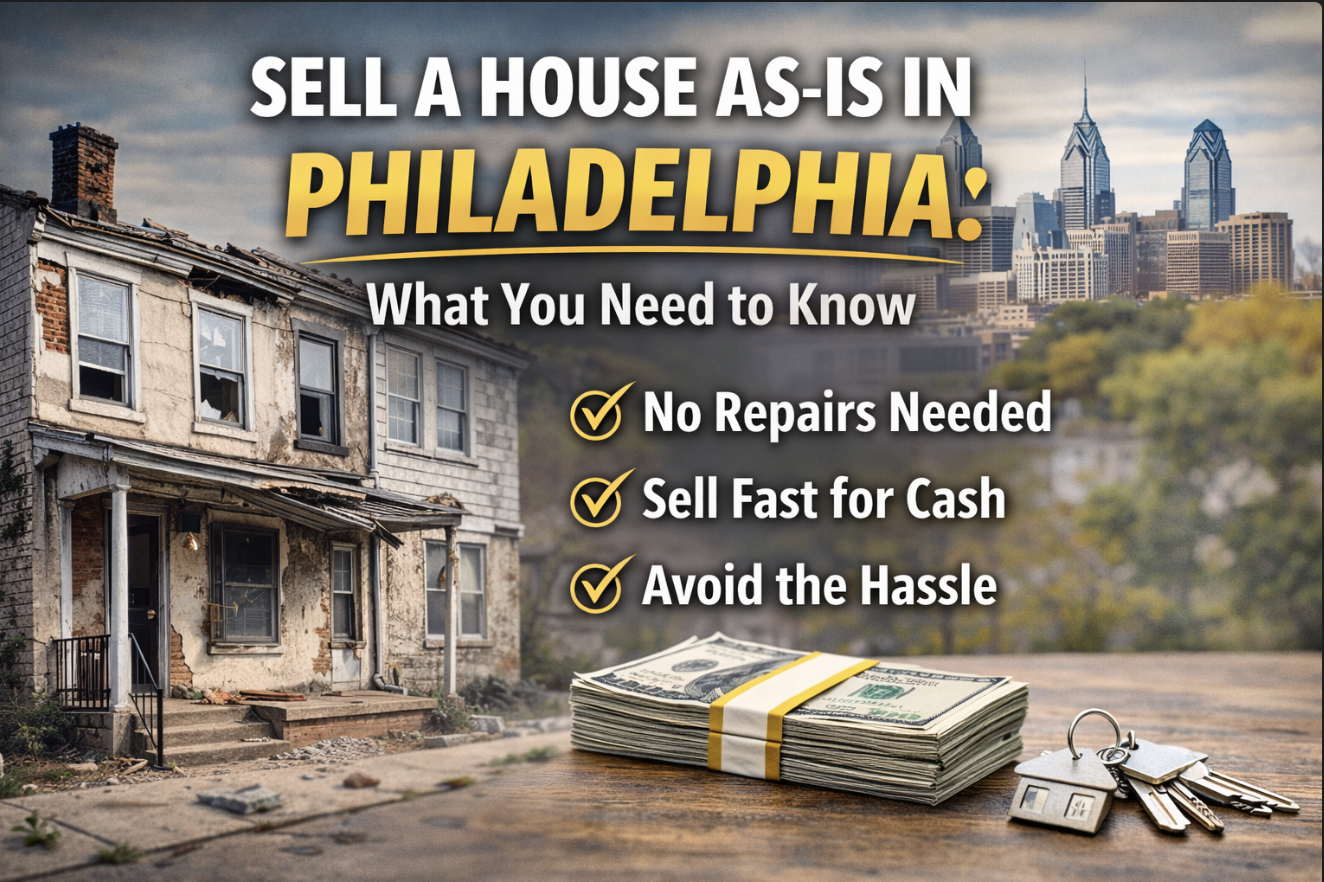
  • Sell a House As-Is in Philadelphia: What Homeowners Need to Know

    Sell a House As-Is in Philadelphia: What Homeowners Need to Know

    Selling a house “as-is” in Philadelphia can be one of the fastest and least stressful ways to move on from a property – especially if the home needs repairs, is inherited, or you simply don’t want to deal with the traditional listing process. But many homeowners still wonder what “as-is” actually means, how the process works, and whether it’s the right decision financially. This guide explains everything you need to know about selling your house as-is in Philadelphia, including the pros, cons, timelines, and available options.

    What Does “Selling a House As-Is” Mean?

    Selling a house as-is means you are selling the property in its current condition without making repairs or improvements before closing. The buyer understands that:
    • No updates or renovations will be completed
    • The home may have cosmetic or structural issues
    • The seller will not negotiate repair requests
    This approach removes one of the biggest barriers homeowners face when selling – the cost, time, and stress of preparing the property for the market.
    sold-as-is-in-philadelphia

    Why Philadelphia Homeowners Choose to Sell As-Is

    Philadelphia has many older homes, including historic rowhomes and long-held family properties. Because of this, repairs can often be expensive or time-consuming. Homeowners commonly choose to sell as-is when:
    • The house needs major repairs
    • The property is inherited
    • The owner is relocating quickly
    • The home is vacant or difficult to maintain
    • There are tenant or landlord challenges
    • The seller wants to avoid showings and open houses
    Selling as-is allows homeowners to focus on moving forward rather than preparing the property for sale.

    Can You Still Get a Fair Price Selling As-Is?

    Yes – but it’s important to understand how pricing works. When a property is sold as-is, the buyer typically factors in:
    • Estimated repair costs
    • Market conditions in Philadelphia
    • Comparable home sales in the neighborhood
    • Holding and resale expenses
    While the price may be lower than a fully renovated retail listing, many sellers save money by avoiding:
    • Repair costs
    • Realtor commissions
    • Closing costs
    • Months of mortgage payments, taxes, and utilities while waiting for a buyer
    For many homeowners, the total financial outcome is similar – but with far less stress and uncertainty.

    How to Sell Your House As-Is in Philadelphia

    There are two main ways to sell a property as-is.

    1. List the Property As-Is With a Realtor

    You can list the home on the market and disclose that it is being sold in its current condition. However, buyers may still request inspections, repairs, or price reductions, and the property may take longer to sell.

    2. Sell Directly to a Cash Home Buyer

    Many homeowners choose to sell directly to a local cash buyer who purchases properties in any condition. This option typically involves:
    • No repairs
    • No showings
    • No commissions
    • Faster closing timelines
    For sellers prioritizing speed and simplicity, this route is often the most predictable.

    How Long Does It Take to Sell As-Is?

    Traditional as-is listings can still take 30-90+ days depending on market conditions and buyer financing. Cash sales can often close in:
    • 7-21 days
    • Or on a timeline chosen by the homeowner
    The faster timeline is one of the main reasons many sellers explore this option.

    Situations Where Selling As-Is Makes the Most Sense

    Selling as-is is particularly helpful if:
    • The property requires extensive repairs
    • You inherited a home you don’t plan to keep
    • You are facing financial pressure or foreclosure
    • You need to relocate quickly
    • Managing the property has become overwhelming
    In these situations, the convenience and speed often outweigh the benefits of listing traditionally.

    Do You Need to Disclose Problems When Selling As-Is?

    Yes. Pennsylvania law generally requires sellers to disclose known material defects, even when selling as-is. Being transparent protects both the buyer and seller and helps avoid issues later in the transaction. A reputable buyer will guide you through the disclosure process so everything is handled correctly.

    Is Selling As-Is the Right Choice for You?

    Selling as-is isn’t the best choice for every homeowner. If the home is in excellent condition and time is not a factor, listing traditionally may produce a higher final sale price. However, if your priority is:
    • Speed
    • Certainty
    • Convenience
    • Avoiding repairs and fees
    Then selling your house as-is can be a very practical solution.

    Explore Your As-Is Selling Options

    If you’re considering selling your house as-is in Philadelphia, the first step is simply understanding what your options look like. Many homeowners request a cash offer just to compare it with the traditional listing route before making a final decision. You can learn more about the process on our How It Works page or request a no-obligation cash offer to see what selling as-is could look like for your property.

    Frequently Asked Questions About Selling a House As-Is in Philadelphia

    Can I sell my house as-is in Philadelphia without making repairs?

    Yes. You can sell your house as-is in Philadelphia without making repairs or improvements. Many buyers, especially cash home buyers, purchase properties in their current condition.

    Will selling my house as-is lower the price?

    Selling as-is may result in a lower offer compared to a fully renovated home, but many homeowners save money by avoiding repair costs, agent commissions, and holding expenses.

    How fast can I sell my house as-is in Philadelphia?

    Depending on the selling method, as-is home sales can close in as little as 7-21 days when selling to a cash buyer, while traditional listings may take longer.

    Do I still have to disclose property issues when selling as-is?

    Yes. Pennsylvania law generally requires sellers to disclose known material defects, even when selling the property as-is.

    Is selling my house as-is a good option?

    Selling as-is can be a good option if the home needs repairs, you want to avoid renovation costs, or you need a faster and simpler selling process.
  • How Does Selling Your House for Cash Work in Philadelphia?

    How Does Selling Your House for Cash Work in Philadelphia?

    If you’re thinking about selling your house for cash in Philadelphia, you’re probably wondering how the process actually works – and whether it’s a legitimate option compared to listing with a real estate agent. The good news is that selling your house for cash can be a simple, straightforward way to sell quickly, especially if your property needs repairs, you’re dealing with a time-sensitive situation, or you just want to avoid the traditional selling process. This guide walks you through how selling your house for cash works in Philadelphia, step by step, so you can decide if it’s the right option for you.

    What Does It Mean to Sell Your House for Cash?

    Selling your house for cash means working directly with a buyer who uses their own funds – not bank financing – to purchase your property. Because there’s no mortgage approval involved, the process is typically:
    • Faster
    • More predictable
    • Less stressful
    Cash home buyers purchase houses as-is, meaning you don’t need to make repairs, clean, or prepare the home for showings.

    Why Philadelphia Homeowners Choose Cash Buyers

    Many homes in Philadelphia are older and may require updates, repairs, or code compliance work. Traditional buyers often struggle to secure financing for properties in less-than-perfect condition. Homeowners often choose to sell for cash because they want to avoid:
    • Expensive repairs
    • Realtor commissions
    • Appraisal issues
    • Buyer financing falling through
    • Months of uncertainty
    A cash sale offers a simpler alternative.

    How the Cash Home Buying Process Works in Philadelphia

    While every situation is different, the process generally follows a few simple steps.

    Step 1: Share Basic Information About the Property

    You start by providing basic details about your house – such as the address, condition, and your desired timeline. This can usually be done through a short online form or a phone call.

    Step 2: Property Evaluation

    The buyer reviews your property based on the local Philadelphia market and the condition of the home. This may include a brief walkthrough or site visit, but there are no inspections requiring repairs.

    Step 3: Receive a Fair Cash Offer

    After reviewing the details, the buyer presents a no-obligation, all-cash offer. There are no commissions, no hidden fees, and no pressure to accept.

    Step 4: Choose Your Closing Date

    If you accept the offer, the sale is handled through a local title company. You choose the closing date – whether that’s in a week or several weeks out. 👉 You can learn more about the process on our How It Works page.

    Do You Need to Make Repairs Before Selling for Cash?

    No. One of the biggest advantages of selling your house for cash is that you sell as-is. That means:
    • No fixing leaks or roofs
    • No updating kitchens or bathrooms
    • No cleaning or staging
    • No inspection or repair demands
    This is especially helpful for older Philadelphia rowhomes or properties with deferred maintenance.

    How Long Does It Take to Sell a House for Cash in Philadelphia?

    Many homeowners receive a cash offer within 24 hours of submitting their property information. Closings typically happen in:
    • As little as 7 days
    • Up to 21 days or longer if needed
    The timeline is flexible and based on what works best for you.

    Is Selling Your House for Cash Legit?

    Yes – selling your house for cash is legitimate when you work with a reputable, local buyer. Before choosing a buyer, look for:
    • A local presence in Philadelphia
    • Years of experience
    • Real homeowner reviews
    • A clear, transparent process
    Avoid anyone who pressures you to sign or won’t explain their offer. 👉 To learn more about who we are, visit our About Us page.

    How Is a Cash Offer Determined?

    Cash offers are based on:
    • Current market conditions in Philadelphia
    • The condition of the property
    • Estimated repair costs
    • Selling costs the buyer takes on
    While a cash offer may be lower than a fully renovated retail price, homeowners often save money by avoiding repairs, commissions, holding costs, and uncertainty.

    When Does Selling for Cash Make the Most Sense?

    Selling your house for cash often makes sense if:
    • The property needs major repairs
    • You inherited the house
    • You’re facing foreclosure or financial pressure
    • You need to relocate quickly
    • You’re tired of managing tenants
    • The home is vacant or outdated
    These situations are common in Philadelphia and often make traditional sales difficult.

    Should You Sell Your House for Cash in Philadelphia?

    Selling for cash isn’t the right choice for every homeowner – but if speed, simplicity, and certainty matter to you, it can be a very effective option. Many Philadelphia homeowners choose cash buyers because it allows them to sell on their terms and move forward without stress.

    Get a Cash Offer for Your Philadelphia House

    If you’re considering selling your house for cash and want to see what your options look like, the next step is easy. 👉 Request a fair, no-obligation cash offer
    👉 Sell your house as-is
    👉 Choose your closing date You can also visit our Sell Your House in Philadelphia page to learn more about how we help local homeowners.
  • Are Zillow Zestimates Accurate in 2025? What Homeowners Really Need to Know

    Are Zillow Zestimates Accurate in 2025? What Homeowners Really Need to Know

    If you’ve ever typed “What is my house worth?” into Google, chances are Zillow was one of the first results you clicked. Zillow’s Zestimate is often the starting point for homeowners trying to figure out their home’s value-especially if they’re considering selling. But how accurate are Zillow Zestimates really, and should you rely on them when making major financial decisions? If you own a home in Philadelphia (or anywhere else) and are wondering whether your property is worth selling, this guide will walk you through how Zestimates work, where they fall short, and what to do next if you want a real number you can trust.

    What Is a Zillow Zestimate?

    A Zestimate is Zillow’s automated estimate of a home’s market value. It’s generated by Zillow’s proprietary algorithm, which analyzes large amounts of data such as:
    • Public property records
    • Recent home sales in the area
    • Tax assessments
    • Square footage, bedroom count, and lot size
    • Market trends and seasonality
    Zillow launched in 2006 with the goal of giving homeowners and buyers easier access to housing information. Today, it’s one of the most visited real estate websites in the country-and its Zestimate is often treated like a definitive home value. But here’s the important part: a Zestimate is not an appraisal, not an offer, and not a guarantee of what your home will sell for.

    How Zillow Has Improved Its Estimates (And Where It Still Falls Short)

    Over the years, Zillow has invested heavily in improving its valuation model. The Zestimate algorithm now updates frequently and adapts to local market data more effectively than it did a decade ago. That said, even Zillow openly admits that Zestimates are not perfectly accurate. According to Zillow’s own data, the median error rate for on-market homes is lower than off-market homes. In simple terms:
    • Homes currently listed for sale → Zestimates tend to be more accurate
    • Homes not listed (off-market) → Zestimates can be significantly off
    Why? Because Zillow relies heavily on comparable sales and listing data. If your home hasn’t been sold or updated recently, the estimate may be based on outdated or incomplete information.

    Want to Know What Your House Is Really Worth?Ready to find out more?

    Skip online estimates. Get a real cash offer for your Philadelphia property-no repairs, no agents, no pressure.

    Click Here

    Why Zillow Zestimates Are Often Inaccurate for Real Sellers

    Zillow’s algorithm cannot physically see your property. That creates several major blind spots-especially for homeowners considering selling as-is or off-market. Here are the biggest reasons Zestimates miss the mark:

    1. Zillow Can’t See Condition or Repairs

    Zillow has no way of knowing if your home has:
    • A new roof or an old one
    • Updated plumbing or outdated electrical
    • Structural issues, water damage, or foundation problems
    • Deferred maintenance
    A fully renovated home and a distressed property on the same block may show similar Zestimates-despite being worth very different amounts.

    2. Older Neighborhoods Confuse Algorithms

    In cities like Philadelphia, where neighborhoods vary block by block, Zestimates can struggle.
    • Mixed property conditions
    • Rowhomes vs. twins vs. detached homes
    • Investor flips next to long-term rentals
    All of these make automated valuations less reliable.

    3. Public Records Are Often Wrong or Outdated

    Zillow pulls from public data-and public data is not always accurate. Incorrect square footage, missing additions, wrong bedroom counts, or outdated renovations can all skew a Zestimate. Unless a homeowner actively updates Zillow’s property facts (and even then, updates aren’t guaranteed to be reflected), the estimate may be based on bad inputs.

    4. Zestimates Don’t Account for Motivation or Speed

    Zillow estimates market value assuming a traditional retail sale. They do not factor in:
    • Needing to sell fast
    • Avoiding repairs
    • Skipping agent commissions
    • Selling an inherited or vacant property
    • Financial pressure or life changes
    If you’re selling under non-traditional circumstances, Zillow’s number may not reflect your real options.

    How Accurate Are Zillow Zestimates in Practice?

    Zillow states that roughly 80% of Zestimates fall within a certain percentage of the final sale price. That sounds good-until you realize what it means for the other 20%. In many cases, Zestimates can be:
    • Overpriced, giving homeowners unrealistic expectations
    • Underpriced, causing sellers to undervalue their property
    • Volatile, changing thousands of dollars overnight
    Even small data changes can cause large swings in estimated value.

    Should You Use Zillow to Decide Whether to Sell?

    Zillow is best used as a starting point, not a decision-making tool. Zestimates are most accurate when:
    • The home is in excellent condition
    • The property is recently renovated
    • The home matches nearby comparable sales
    • The home is already listed on the MLS
    They are least accurate when:
    • The home needs repairs
    • The property is inherited or vacant
    • The house is older or unique
    • The seller wants to sell as-is
    • The home is off-market

    What’s the Best Way to Find Out What Your House Is Really Worth?

    If you’re serious about selling-or even just considering it-there are better options than relying solely on a Zestimate:

    ✔️ Comparative Market Analysis (CMA)

    A local real estate professional can compare your home to recent sales and active listings.

    ✔️ Professional Appraisal

    An appraiser provides a detailed, unbiased valuation-but it costs money and still assumes retail condition.

    ✔️ Direct Cash Offer from a Local Investor

    If your goal is clarity, speed, or selling as-is, a cash offer shows you what your house is worth right now, not in theory.

    Zillow vs. Real-World Offers: The Key Difference

    A Zestimate is an estimate.
    A cash offer is a real number backed by real money. If your home needs work, is vacant, inherited, or you simply don’t want to list it traditionally, an off-market cash offer often gives you a clearer picture than Zillow ever will.

    The Bottom Line: Are Zillow Zestimates Accurate?

    Zillow Zestimates can be helpful-but they’re not definitive. Think of them as a ballpark figure, not the final answer. Especially if your property isn’t in perfect condition, relying on Zillow alone can lead to false expectations or missed opportunities. If you’re asking, “What is my house actually worth?” or “Should I sell my property now?”-the next step is getting a real evaluation from someone who understands your local market and your situation.

    Want a Real Value for Your Property?

    If you own a property in Philadelphia and want to know what it’s worth without repairs, agents, or pressure, we can help. Get a straightforward cash offer and decide what makes sense for you. 👉 Visit phillyhomeinvestor.com to get started.
  • How to Sell a Commercial Property Fast in Philadelphia (Even If It Needs Repairs)

    How to Sell a Commercial Property Fast in Philadelphia (Even If It Needs Repairs)

    🏢 How to Sell a Commercial Property Fast in Philadelphia (Even If It Needs Repairs)

    Selling a commercial property in Philadelphia can be stressful – especially if it’s outdated, vacant, or in need of major repairs. Between finding the right buyer, paying agent commissions, and waiting months for closing, the traditional sales process doesn’t work for everyone. At Philly Home Investor, we specialize in buying commercial buildings, warehouses, mixed-use properties, and retail spaces directly – for cash – and in as-is condition. If you’re looking for a faster, simpler way to sell, here’s what you need to know.

    🔍 Why Selling a Commercial Property in Philadelphia Can Be Challenging

    The Philly market moves fast – but not every property fits neatly into what investors or agents want.
    Here are some of the most common reasons owners reach out to us:
    • The property needs major upgrades or repairs
    • It’s vacant or not generating income
    • You’re tired of managing tenants or maintenance
    • There are code violations or tax issues
    • You’ve inherited the property and don’t want to keep it
    • You need to sell quickly for cash
    Traditional listings can take months or even years, and buyers often back out after inspections. Our goal is to help you avoid the delays, fees, and uncertainty.

    ⚙️ Your Options for Selling a Commercial Property

    Let’s compare your main choices:
    Selling Method Timeline Repairs Required Fees/Commissions Certainty
    Listing with a Commercial Agent 3-12+ months Usually yes 5-6% commission Not guaranteed
    Auction 30-90 days No High fees Depends on bids
    Direct Cash Sale (Philly Home Investor) 7-30 days None – we buy as-is No fees or commissions Guaranteed if you accept our offer

    💰 How Philly Home Investor Buys Commercial Properties

    Our process is simple, transparent, and designed to help you close fast: 1️⃣ Tell Us About Your Property – Fill out our short form or call us at (215) 804-9105.
    2️⃣ Get a Fair Cash Offer – We’ll review your property and send you an offer, usually within 24 hours.
    3️⃣ Choose Your Closing Date – We handle all the paperwork and close when you’re ready. You don’t have to clean, repair, or spend a dollar on improvements. We take care of everything.

    🏗️ What Types of Commercial Properties We Buy

    We purchase a wide range of commercial and investment properties throughout Philadelphia and the surrounding counties:
    • Retail buildings and storefronts
    • Office and medical buildings
    • Warehouses and industrial spaces
    • Mixed-use and apartment-over-retail properties
    • Vacant commercial lots
    Whether your building is vacant, occupied, or needs major renovations, we’ll make you a fair cash offer.

    📍 Why Choose Philly Home Investor?

    • Local experts who understand the Philadelphia real estate market
    • Fast, fair cash offers with no hidden fees
    • Flexible closing dates – sell on your timeline
    • Experience with complex deals, including title issues, liens, or multiple tenants
    We’ve helped hundreds of local property owners sell quickly and move on to their next opportunity. Learn more about us here.

    🚀 Ready to Sell Your Commercial Property Fast?

    If you own a commercial building, warehouse, or mixed-use property in the Philadelphia area and need to sell quickly, we can help. 👉 Get your no-obligation cash offer today.
    Call us at (215) 804-9105 or fill out our online form – and find out what your property could sell for, as-is, in just 24 hours.